
Introduction:
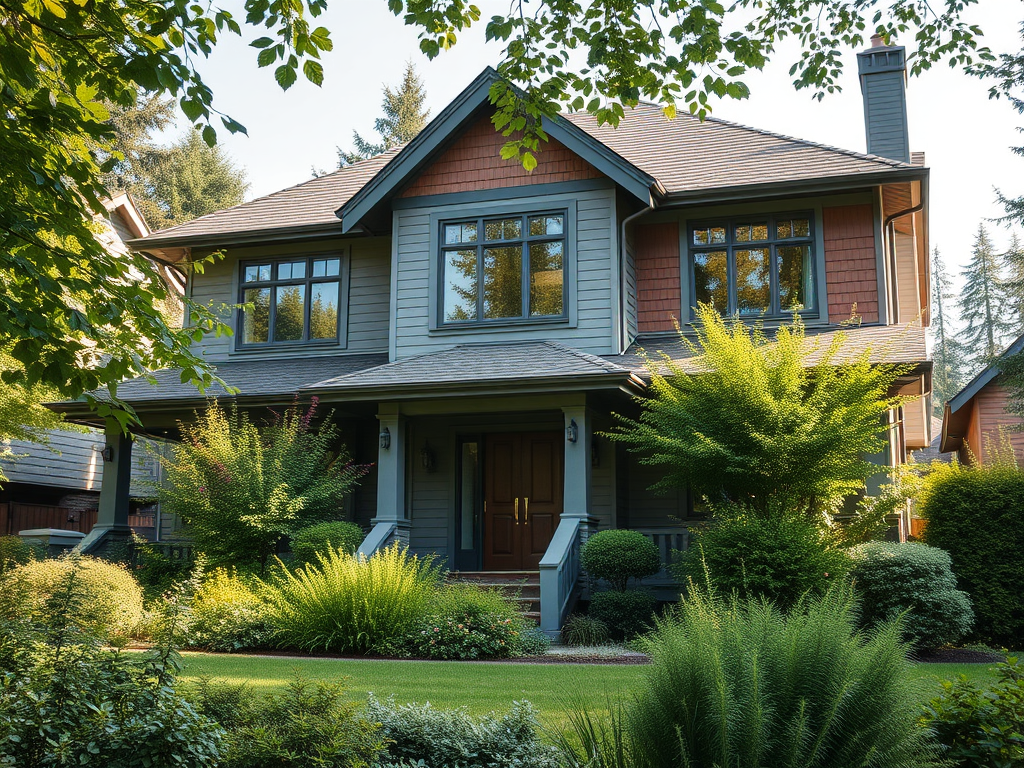
Siding renovation is an essential aspect of home improvement that not only enhances the curb appeal of your home but also protects it from harsh weather conditions. When planning a siding renovation project, choosing the right siding material is crucial to ensure the durability and longevity of your home’s exterior. With so many siding materials available on the market, it can be overwhelming to decide which one is the best for your home. In this blog post, we will discuss the most popular siding materials used around Vancouver along with their pros and cons to help you make an informed decision.
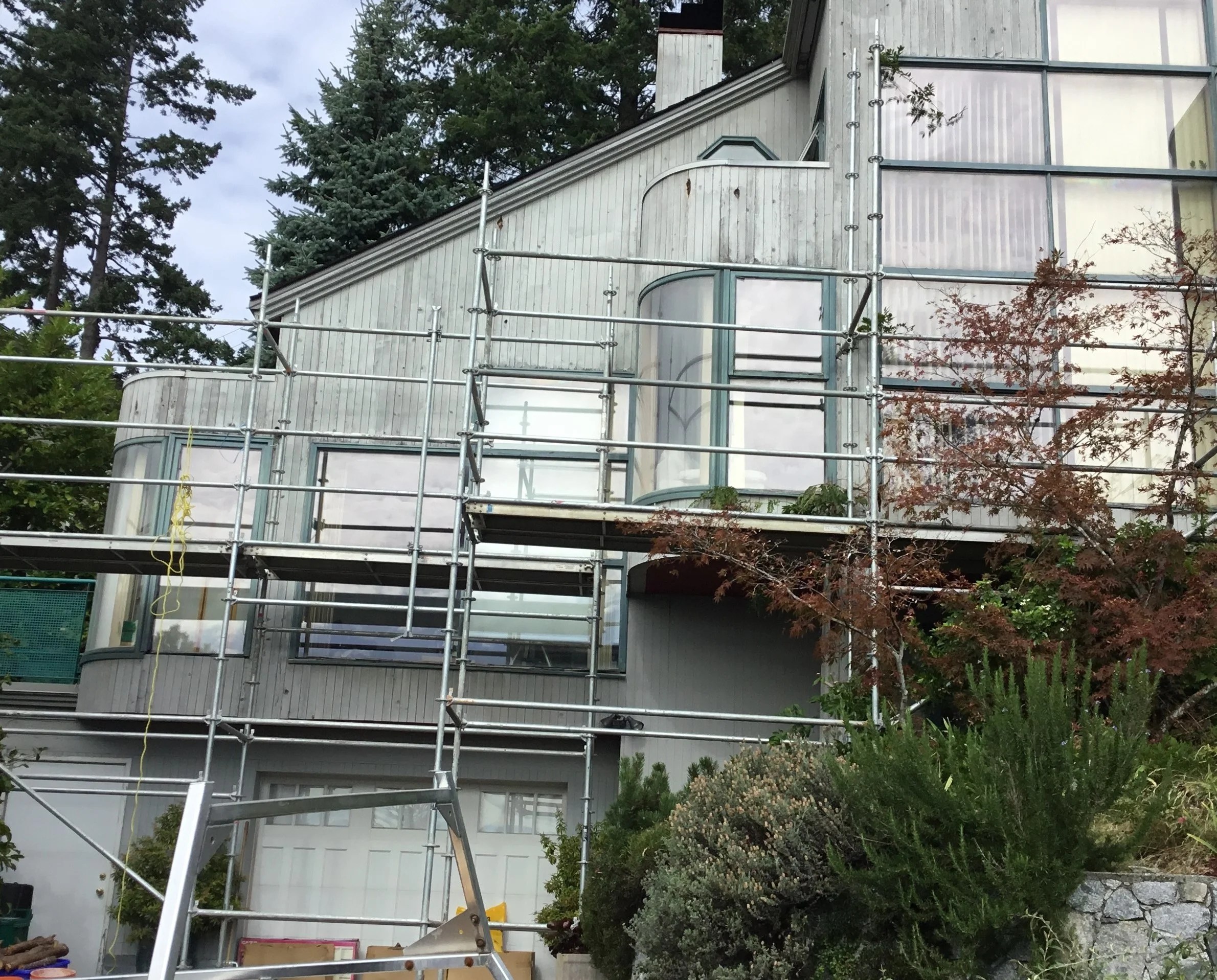

Types of siding materials commonly used for renovation projects by homeowners:
Fiber Cement Siding: Definitely, the most popular material for siding renovation chosen by homeowners is Fiber cement siding, usually well known as a Hardie. It is a relatively new option that has gained popularity due to its durability, fire resistance, and low maintenance. It is made from a mixture of cement, sand, and cellulose fibers, making it resistant to moisture, insects, and rot. Fiber cement siding is available in a range of styles, including Lap, Panel, and Shingles with different textures such as wood (called Cedarmill), Stucco, or just smooth. All styles are available in primed versions, that can be painted to match your home’s color scheme. Also, Hardie offers their products in ColorPlus (21 colors from Hardie) and any custom color you choose. An interesting option for homeowners can be products from Woodtone. They offer painted Hardie or Allura substrate to catch the feel of real wood. Their product is named RusticSeries. However, fiber cement siding is heavier than other options, making it more difficult to install. It also requires specialized tools and techniques to cut and shape, making it a less DIY-friendly option.
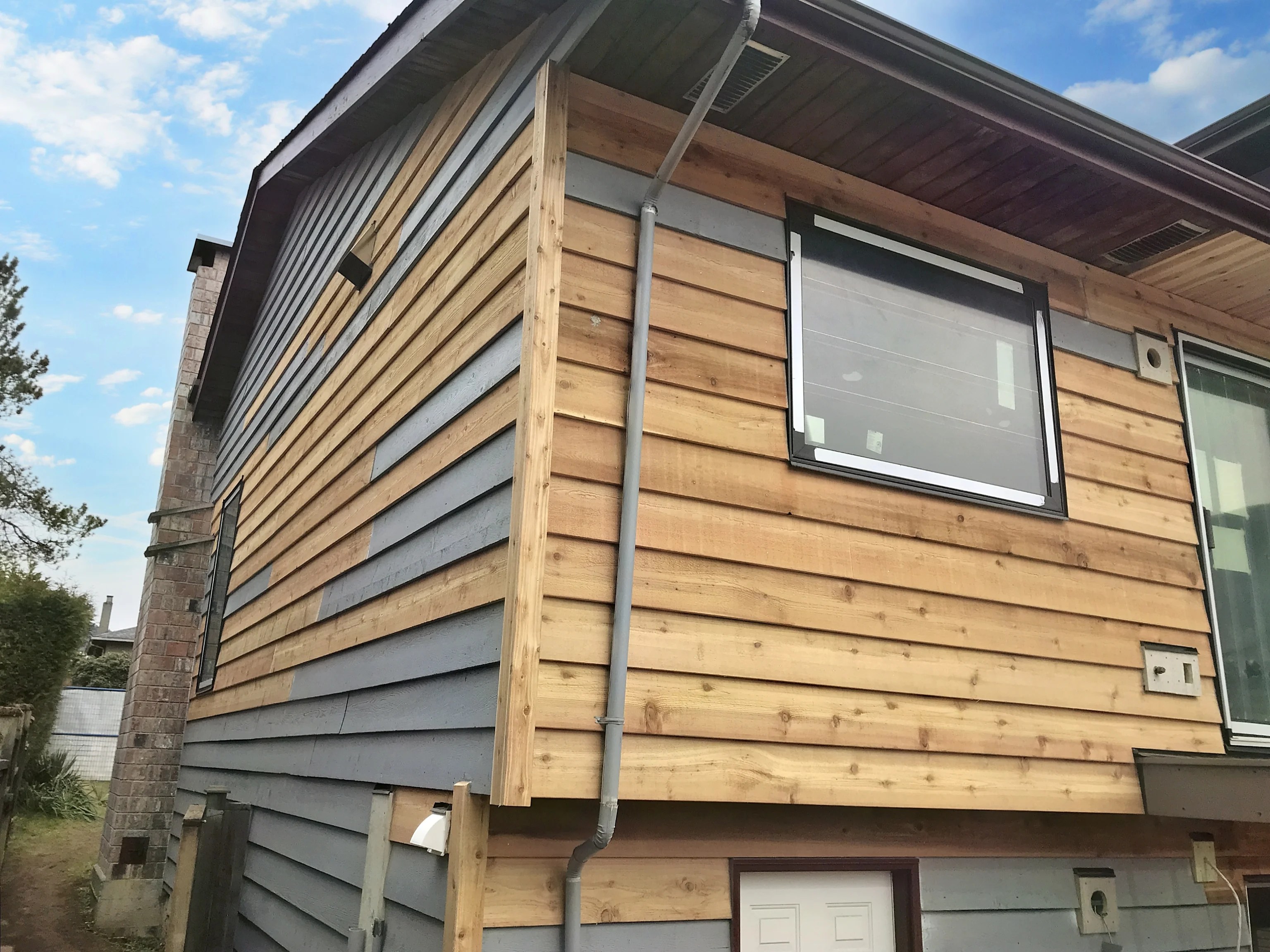
Wood Siding: Wood siding is a timeless and classic option that has been used for centuries. It is known for its natural beauty, durability, and eco-friendliness. Wood siding is available in different species, including cedar, redwood, and pine, and can be painted or stained to match your home’s aesthetic. Beveled, Board and Batten and Shingles are popular styles around Vancouver. However, wood siding requires regular maintenance, including sealing, painting, or staining every few years to prevent rot and insect damage. Additionally, wood siding is susceptible to moisture, which can lead to warping, splitting, and decay. Over time, wooden cladding becomes very expensive, and with insufficient care, it will require more frequent repairs. These days we can call Wood siding a premium product.
Metal Siding: Metal siding is another durable and low-maintenance option that is known for its energy-efficiency and modern look. It is available in a range of materials, including aluminum, steel, and copper, and can be painted or finished to suit your style. Metal siding is fire-resistant, pest-resistant, and weather-resistant, making it an excellent option for homes in areas prone to hurricanes, tornadoes, and wildfires. However, metal siding can be noisy during heavy rain or hail, and it may not be suitable for all climates. The most common brands used around Vancouver are Longboard, FastPlank, LUX Architectural, Westform, and MAC architectural.
Vinyl Siding: Vinyl siding used to be a really popular option for homeowners for renovation projects. Usually, they have installed vinyl siding right over wood cladding or stucco to keep the renovation within budget. It was and still is one of the most popular siding materials due to its affordability, low maintenance, and versatility. It comes in a wide range of colors and styles, making it an excellent option for homeowners who want a budget-friendly option that requires minimal upkeep. Vinyl siding is made from PVC, making it durable and resistant to moisture, rot, and insects. However, vinyl siding can crack and fade over time, especially if exposed to harsh sunlight for extended periods. What can look like the cheapest solution at the beginning can become more expensive in time.
Pros and Cons:
- Fiber Cement Siding: Pros include fire-, moisture-, and insect-resistance. Cons include weight and difficulty of installation.
- Wood Siding: Pros include natural beauty, durability, and eco-friendliness. Cons include required regular maintenance and susceptibility to rot and insect damage.
- Metal Siding: Pros include durability, low-maintenance, and energy-efficiency. Cons include potential noise during heavy rain or hail, and may not be suitable for all climates.
- Vinyl Siding: Pros include affordability, low-maintenance, and versatility. Cons include potential for cracking and fading over time.
| Siding Material | Cost | Durability | Maintenance | Energy Efficiency | Eco-Friendliness |
|---|---|---|---|---|---|
| Vinyl | $ | 10-15 years | Low | Medium | Not eco-friendly |
| Wood | $$-$$$ | 20-30 years | High | Low | Eco-friendly |
| Fiber Cement | $$ | 30-50 years | Low | High | Not eco-friendly |
| Metal | $$$ | 40-60 years | Low | High | Eco-friendly |
Conclusion:
Choosing the right siding material for your home renovation project requires careful consideration of the pros and cons of each option. While vinyl siding is an affordable and low-maintenance option, it may not be the best choice for homeowners who want a long-lasting and durable option. Similarly, wood siding is a timeless and eco-friendly option but requires regular maintenance and may not be suitable for areas with high humidity or moisture. Fiber cement and metal siding offer excellent durability and low-maintenance but come with their own set of challenges, such as weight and difficulty of installation, and potential noise during heavy rain or hail.
In the end, the best siding material for your home renovation project depends on your budget, style, and specific needs. By considering the pros and cons of each option, you can make an informed decision that not only enhances the curb appeal of your home but also protects it from harsh weather conditions.
We hope this blog post has helped you understand the different types of siding materials and their pros and cons. If you have any questions or need help with your siding renovation project, feel free to contact us for expert advice and services.

 Professional Siding Contractor Vancouver - Tonic Siding