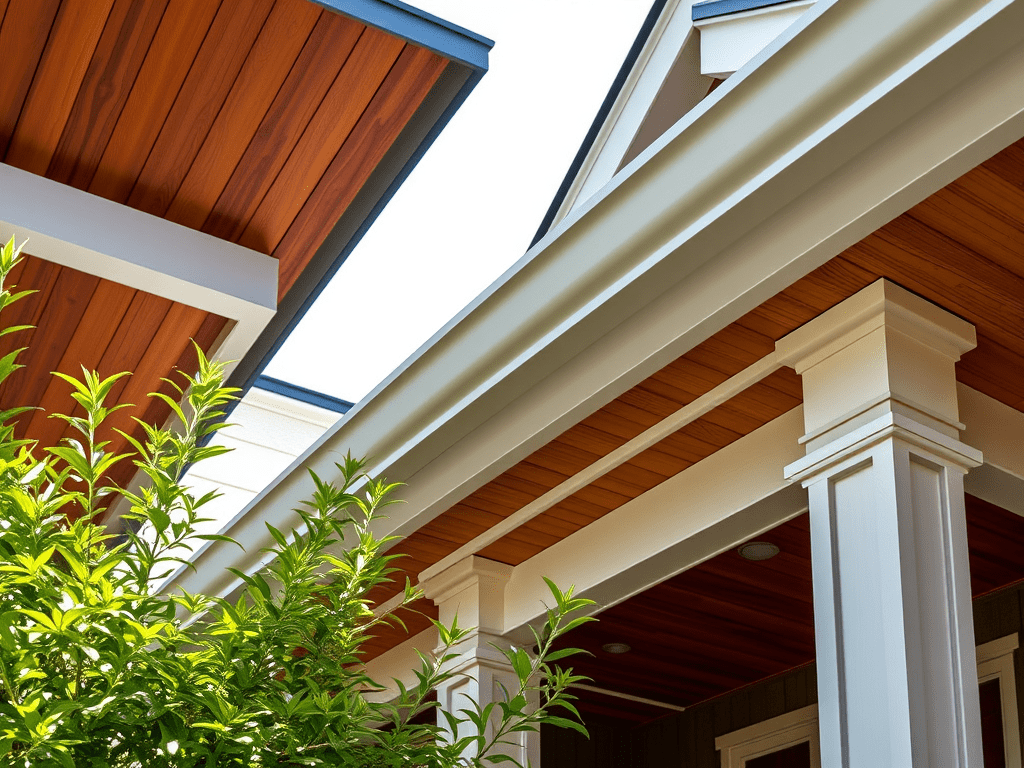
Soffit is an essential component of your home’s exterior, located on the underside of your roof’s overhang. It plays a crucial role in protecting your home’s structural integrity by ventilating your attic and preventing moisture buildup, which can cause damage to your home’s roof and walls. In addition, soffit helps to keep pests out of your attic, which can cause costly repairs and pose a threat to your family’s health.
When it comes to soffit replacement, there are two popular materials to choose from: wood and fiber cement. In this article, we will discuss the pros and cons of each material and help you make an informed decision for your home.
Wood Soffit

Wooden soffit provides a natural and classic look that adds warmth and beauty to your home’s exterior. It can be customized to match the style of your home and comes in a variety of textures and finishes. Wood soffit is available in a wide range of shapes and substrates, such as tongue-and-groove, beaded, and V-groove.
In Vancouver, some of the most popular options for wood soffit include Western Red Cedar, Douglas Fir, and Hemlock. Western Red Cedar is known for its natural resistance to decay, making it a popular choice for homeowners in the Pacific Northwest. Douglas Fir is a durable softwood that is widely available and offers a classic look. Hemlock is a cost-effective option that provides a warm and natural look.
While wood soffit provides a beautiful look, it requires more maintenance than other materials, such as fiber cement. Periodic painting or staining is required to prevent rot and decay, and it may not be suitable for areas with high humidity or moisture.
Fiber Cement Soffit
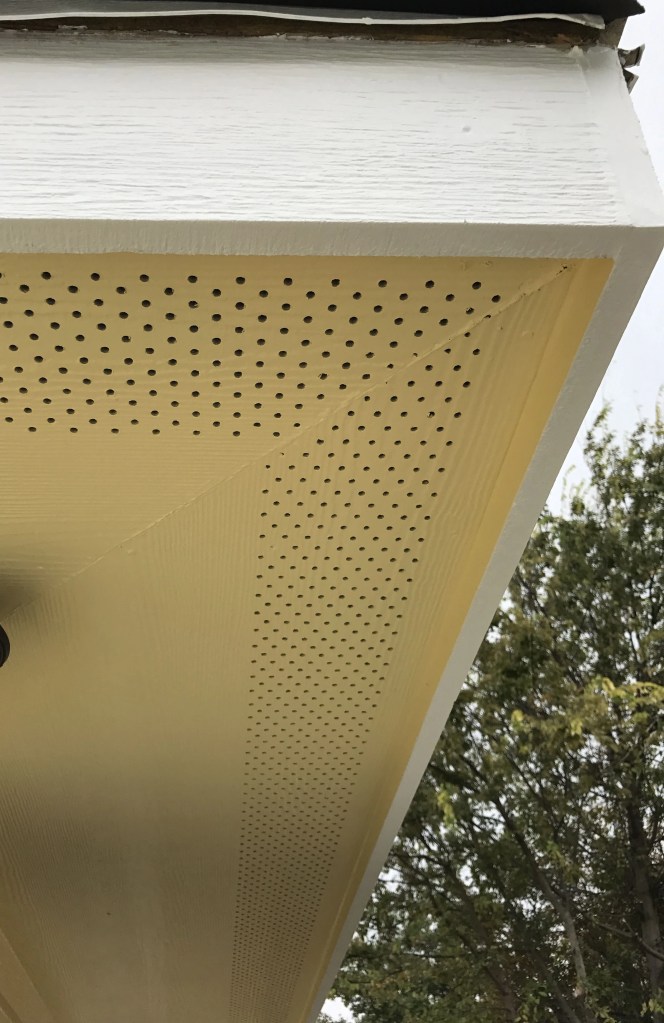
In Vancouver, when it comes to fiber-cement soffit, you’ll often hear the brand name “Hardie“ used interchangeably. This durable and low-maintenance option is resistant to fire, moisture, and rot, and is a popular choice among homeowners looking for a long-lasting solution. It is made from a mixture of cement, sand, and cellulose fibers, making it a non-combustible and sustainable choice. Fiber-cement is also less susceptible to insect infestation and warping than wood, making it a practical option for areas with high humidity, like Vancouver.
Fiber cement soffit is available in a variety of textures and finishes, including smooth, wood-grain, and stucco. While it is more expensive than some other options, its durability and low-maintenance features make it a worthy investment in the long run.
However, fiber-cement soffit is heavier and more challenging to install than wood or other materials, such as vinyl or aluminum. It is important to hire a reputable siding installation company to ensure proper installation and maintenance.
Consider using an “Allura” fiber cement substrate with a Woodtone finish for an amazing aesthetic appeal. For further details and a variety of color options, check out their website.
Conclusion
In conclusion, soffit replacement is a crucial home renovation project that can protect your home from moisture damage, pest infestations, and costly repairs. Wood and fiber-cement soffit are both popular options for homeowners in Vancouver, and the choice between the two depends on your budget, aesthetic preferences, and the specific needs of your home.
While wood soffit provides a classic and warm look, it requires more maintenance and may not be suitable for areas with high humidity or moisture. Fiber-cement soffit is a durable and low-maintenance option that is resistant to fire, moisture, and rot, making it a worthy investment in the long run.
If you’re a Vancouver homeowner in need of a soffit replacement, don’t hesitate to reach out to us. We’ll guide you through the process and ensure your soffit is installed properly and maintained to last for years to come.
 Professional Siding Contractor Vancouver - Tonic Siding