
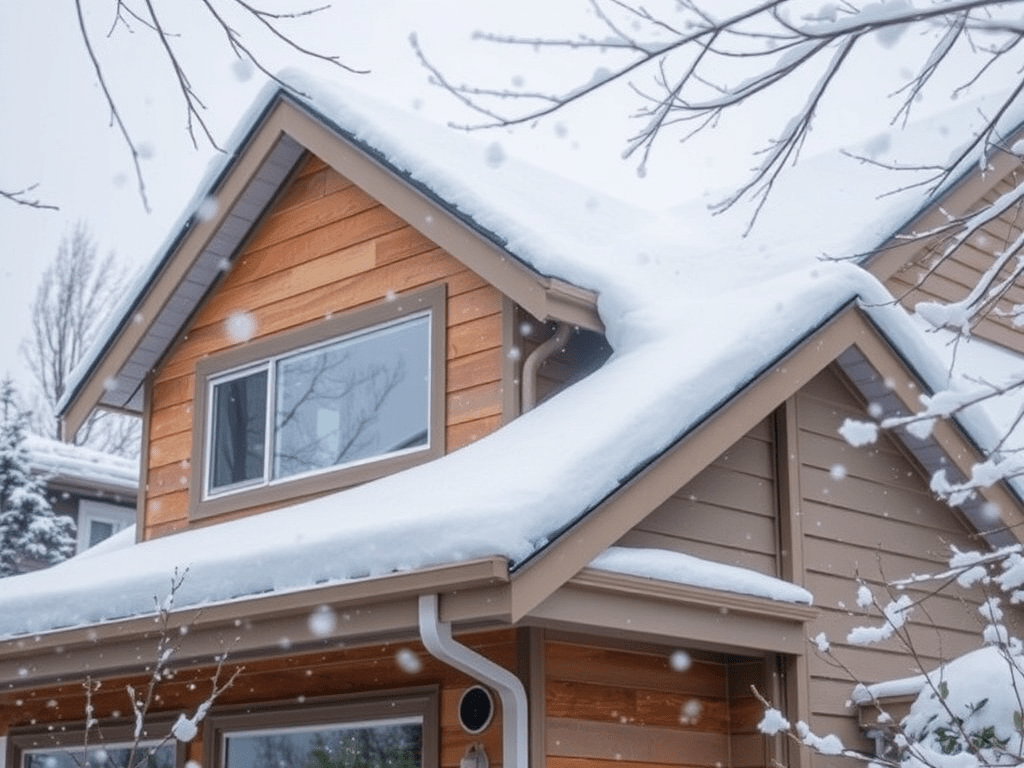

As winter blankets Vancouver in snow, safeguarding your home’s siding becomes a top priority to ensure its durability and aesthetic appeal. The colder months bring unique challenges that can impact various siding materials, including wood, metal, Fibercement (Hardie), and vinyl. In this comprehensive guide, we’ll delve into essential winter maintenance tips for each siding type, focusing on both snowy days and freezing temperatures.
Snow Impact on Different Siding Types:
Snowy days can pose specific threats to different siding materials. Wood siding, renowned for its natural beauty, is particularly vulnerable as snow accumulation can lead to excess moisture absorption, potentially causing warping and rot. Metal siding, known for resilience, may face corrosion and deterioration if snow is left to linger. Fibercement (Hardie) siding, a popular durable choice, can be impacted by the weight of accumulated snow, affecting its overall strength. Even vinyl siding, designed to withstand the elements, can suffer damage if exposed to prolonged heavy snow. To prevent these issues, regular clearing of snow from your siding is crucial, preserving its structural integrity and aesthetic appeal.
Freezing Temperature Impact on Different Siding Types:
As freezing temperatures set in, the impact on siding materials becomes more pronounced. Wood siding may contract, leading to cracks and vulnerabilities, especially around seams and corners. Applying a protective sealant or paint can provide an additional layer of defense against the cold. Metal siding, susceptible to rust in harsh conditions, requires vigilant inspection for signs of corrosion. Fibercement (Hardie) siding, although durable, can still be affected by extreme cold, necessitating careful monitoring. Vinyl siding, while generally resilient, may become brittle in freezing temperatures. Homeowners should be proactive in identifying and addressing these issues promptly to mitigate potential damage and preserve the longevity of their siding.
Conclusion:
In conclusion, winter siding maintenance is crucial for Vancouver homeowners. Whether dealing with snow accumulation or freezing temperatures, each siding type requires specific attention to ensure its resilience. Regular inspection and proactive measures during the winter months will not only protect your home’s exterior but also contribute to its lasting beauty and structural integrity. As your trusted Vancouver siding contractor, we encourage you to implement these tips to keep your siding in optimal condition throughout the winter season.
A word from experience:
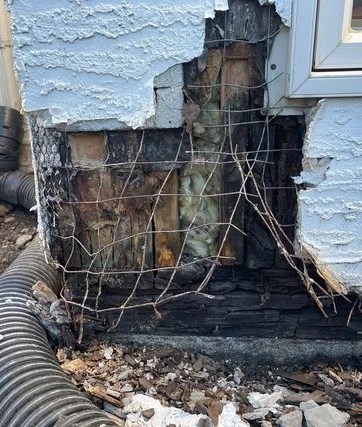
In cases where snow can accumulate around the bottom of the siding, is important the weather barrier, whether it be tar paper, Tyvek, or another membrane, is correctly installed. This oversight can lead to the gradual accumulation of moisture, impacting the backplate, sheeting, and even the studs beneath the siding. Over time, this trapped moisture creates an environment conducive to rotting, initiating a process that can compromise the structural integrity of your home. Therefore, homeowners must pay special attention to the proper installation of weather barriers during siding projects, as this meticulous detail plays a pivotal role in preventing long-term damage caused by snow and moisture infiltration. Regular inspections, particularly in these vulnerable areas, can help detect issues early and ensure the longevity of your siding and the overall health of your home.
 Professional Siding Contractor Vancouver - Tonic Siding