
Homeowners in Vancouver often assume that if their siding looks fine from the outside, there are no hidden problems. However, serious damage can lurk beneath the surface, leading to costly repairs down the road. One of the most common hidden issues is siding that has been improperly installed too close to or even buried in the soil. While this may seem harmless at first glance, the real damage becomes evident only when the siding is removed.
The Hidden Dangers of Siding Buried in Soil
When siding is installed too close to the ground, it creates the perfect environment for moisture retention, which can lead to multiple problems, including:
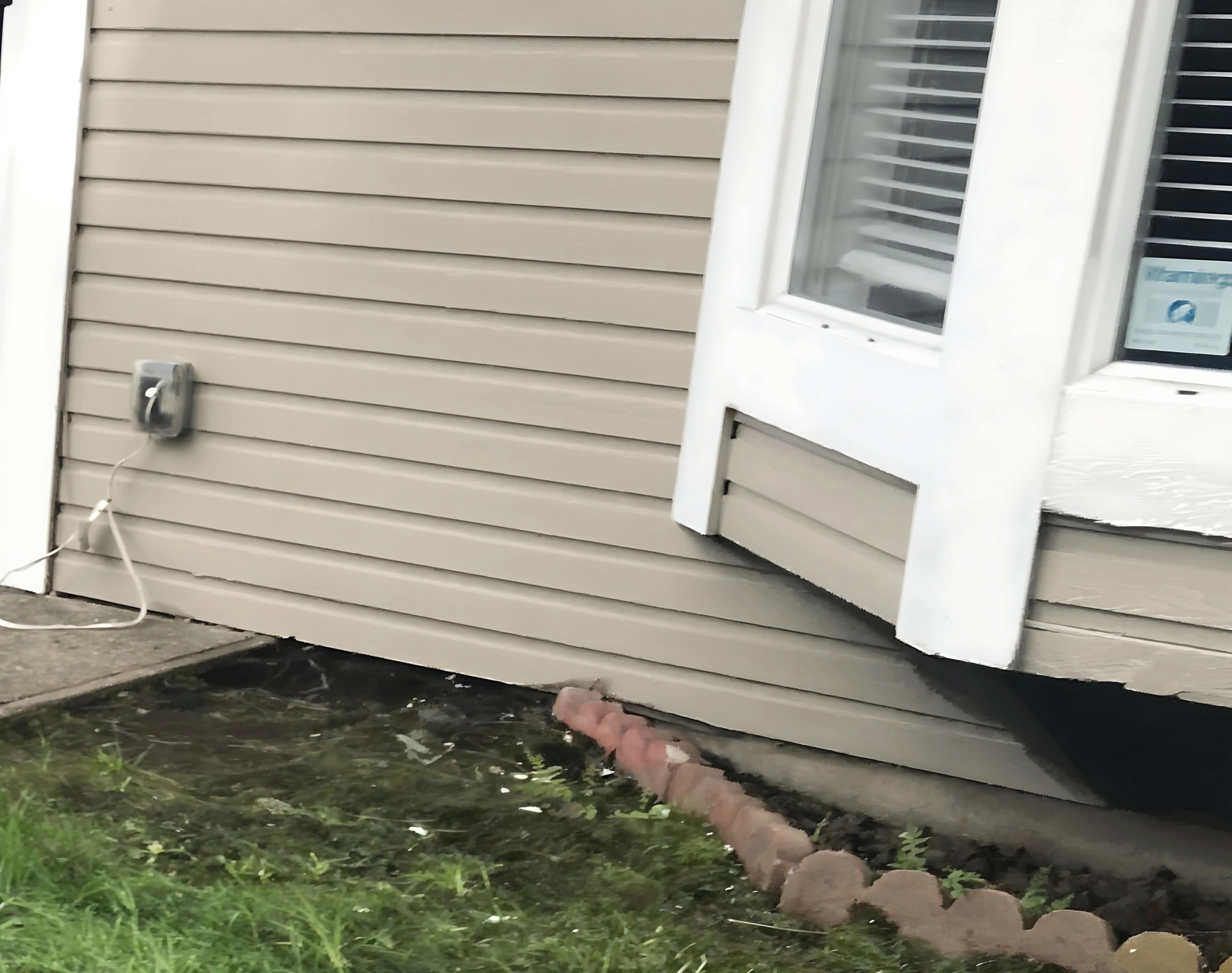
- Rot and Decay – Wood and fiber cement siding are particularly vulnerable to moisture. If the bottom edge of the siding is in constant contact with damp soil, it begins to absorb water, leading to softening, warping, and eventual rot. (See first image: an example of siding buried too close to the soil.)
- Mold and Mildew Growth – The trapped moisture provides ideal conditions for mold and mildew, which can spread behind the siding and into the home’s structure. Not only does this cause material degradation, but it can also lead to health concerns for occupants.
- Pest Infestation – Termites, carpenter ants, and other pests thrive in damp environments. Once they find their way into water-damaged siding, they can quickly invade the home, causing structural issues.
- Foundation Damage – Excess moisture near the foundation can weaken its integrity over time. As water seeps through the siding and into the foundation, it can lead to cracks, shifting, and other foundational issues.
What Happens When the Siding is Removed?
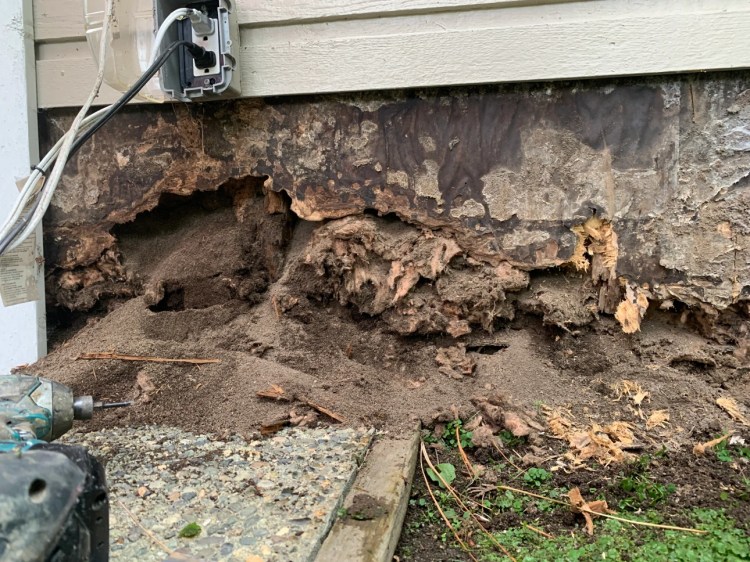
In many cases, the effects of buried siding are not immediately visible. Homeowners may not notice any signs of damage until they decide to replace or inspect their siding. When the siding is finally removed, common discoveries include:
- Cracked or rotting sheathing beneath the siding, compromises the home’s structural integrity.
- Water-stained and mold-covered insulation reduces energy efficiency and indoor air quality.
- Rusting or corroded fasteners that no longer provide adequate support for the siding.
Preventing These Issues
To avoid the problems associated with siding buried in soil, it’s important to follow proper installation guidelines:
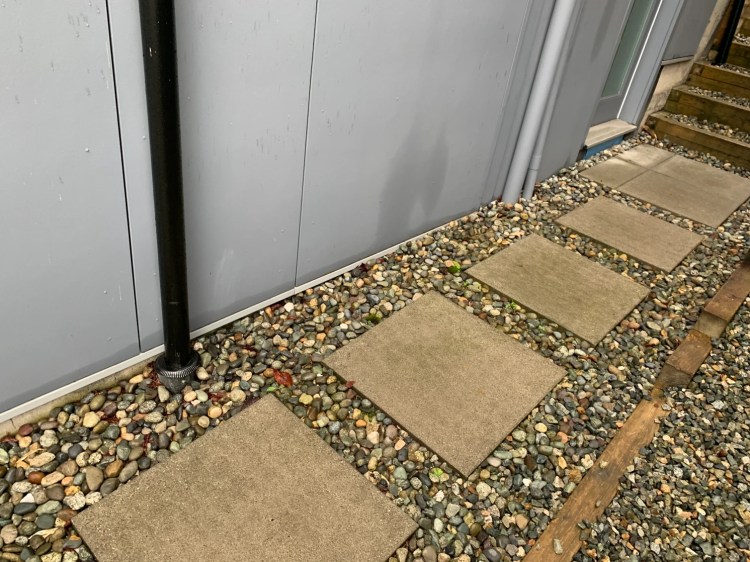
- Maintain Clearance – Most siding manufacturers recommend keeping at least 6 inches of clearance between the bottom of the siding and the ground to prevent direct contact with moisture. This is also set by the BC Building Code.
- Install Proper Drainage – Ensure that the ground slopes away from the foundation to direct water away from the siding.
- Use the Right Materials – If siding must be installed near the ground, consider moisture-resistant options like PVC trim boards or treated materials that can withstand exposure.
- Install a Proper Weather Barrier – A properly installed moisture barrier is essential in protecting the structure from water infiltration. This will be discussed in detail in upcoming posts.
- Regular Inspections – Homeowners should periodically check for signs of moisture damage or pest activity, especially in areas where siding is close to the ground.
Choosing the Right Contractor
A knowledgeable contractor understands the risks of buried siding and will follow best practices to prevent long-term damage. Instead of simply installing siding without considering long-term consequences, a professional will:
- Ensure proper clearance between the siding and the ground.
- Recommend drainage solutions to keep water away from the home.
- Inspect the home’s exterior for any existing moisture-related issues before installation.
Conclusion
Just because an issue isn’t visible doesn’t mean it’s not there. Buried siding is a ticking time bomb that can lead to severe structural damage and costly repairs. By choosing a contractor who understands proper installation techniques and prioritizes long-term durability, homeowners can protect their investment and avoid unnecessary headaches in the future.
If you suspect your siding might be too close to the ground, don’t wait until it’s too late—schedule an inspection today!
 Professional Siding Contractor Vancouver - Tonic Siding
2 thoughts on “Hidden Risks of Siding Buried in Soil”