
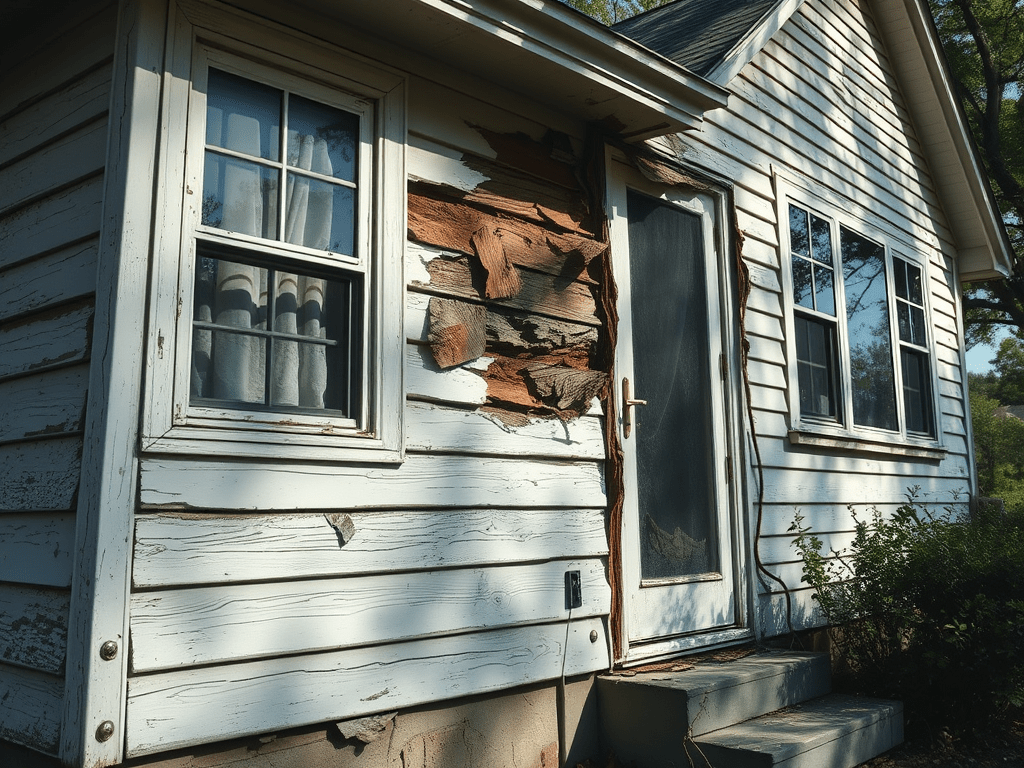
For many homeowners, siding is a set-it-and-forget-it feature. If it looks fine on the surface, it must be doing its job—right? Unfortunately, that’s not always the case. Hidden damage can accumulate behind your siding for years, going unnoticed until it’s too late.
When old siding is removed, it often reveals issues that were never visible before. Water infiltration, rot, and mold can compromise the integrity of your home, leading to expensive repairs. In this post, we’ll highlight the most common areas where siding failures occur and what homeowners in Vancouver, and surrounding areas should watch out for.
Common Areas Where Hidden Damage Appears
While siding is designed to protect your home, improper installation and neglected maintenance can create weak points where moisture seeps in. Here are some of the most common trouble spots:
1. Around Windows and Doors
Windows and doors are some of the most vulnerable areas for water intrusion. If flashing and sealants are improperly installed, water can sneak behind the siding, leading to rot, mold, and even structural damage. In many older homes in Vancouver, we’ve found decayed framing and water-damaged sheathing due to poor waterproofing around these openings.
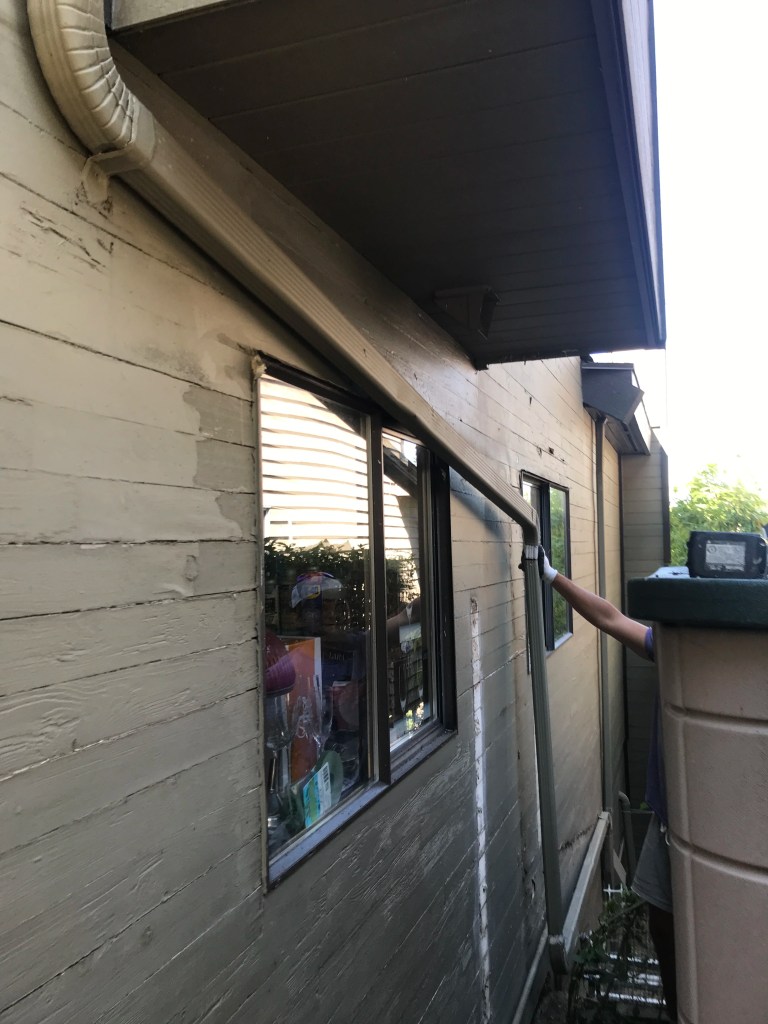
2. Near Downspouts and Gutters
Your home’s gutter system is designed to divert water away from the siding, but when gutters become clogged or downspouts discharge too close to the foundation, water can pool and seep behind the siding. This often results in mold growth, rotting sheathing, and even foundation issues if left unchecked.
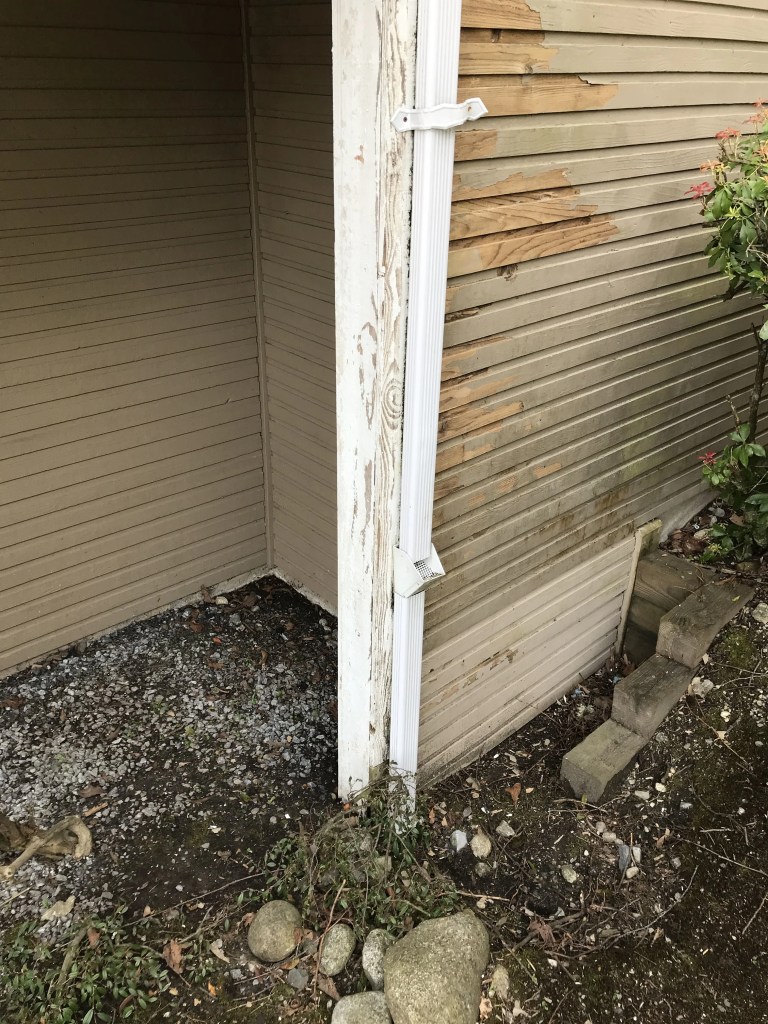
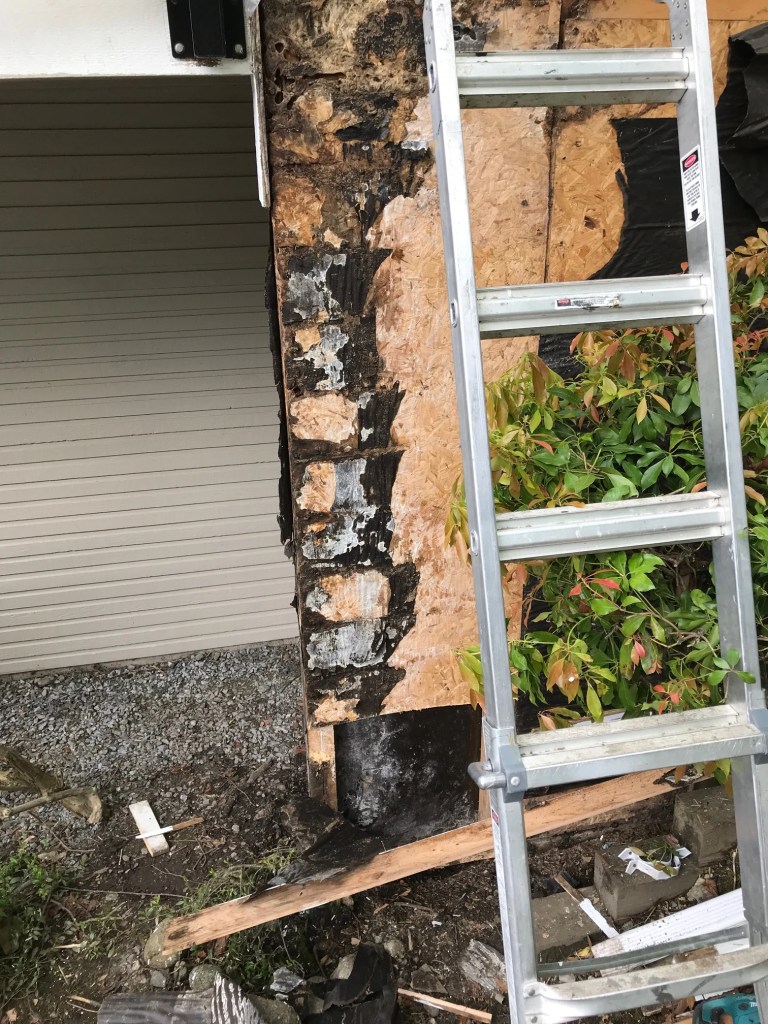
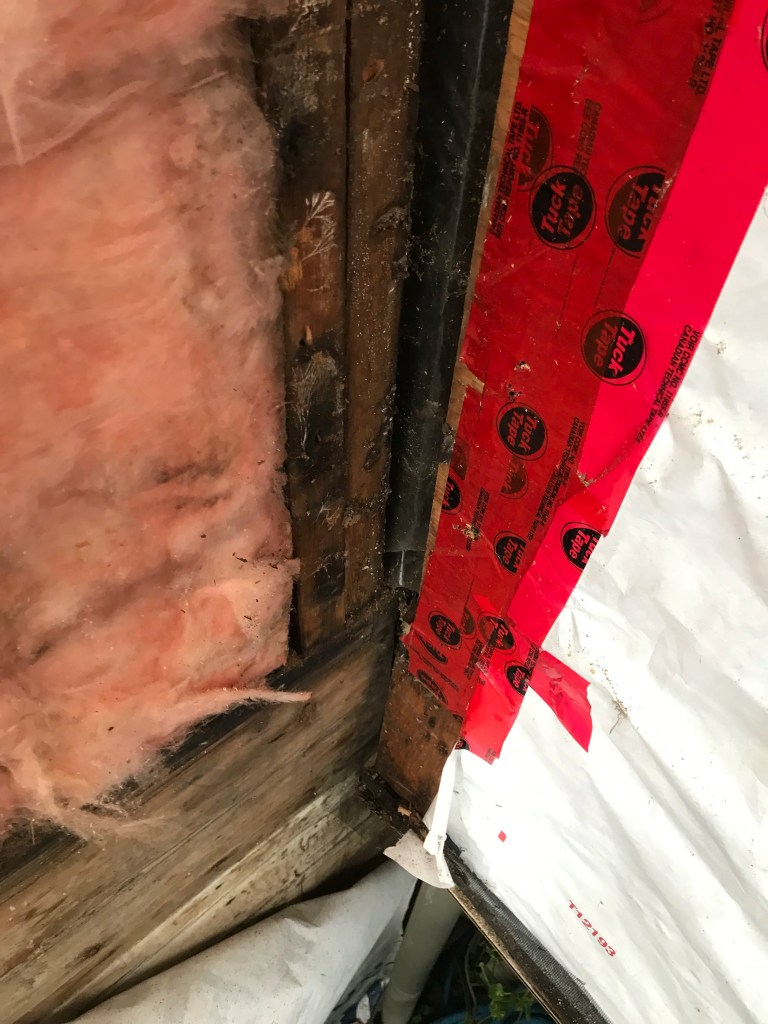
Sheathing and membrane were rotten and moldy
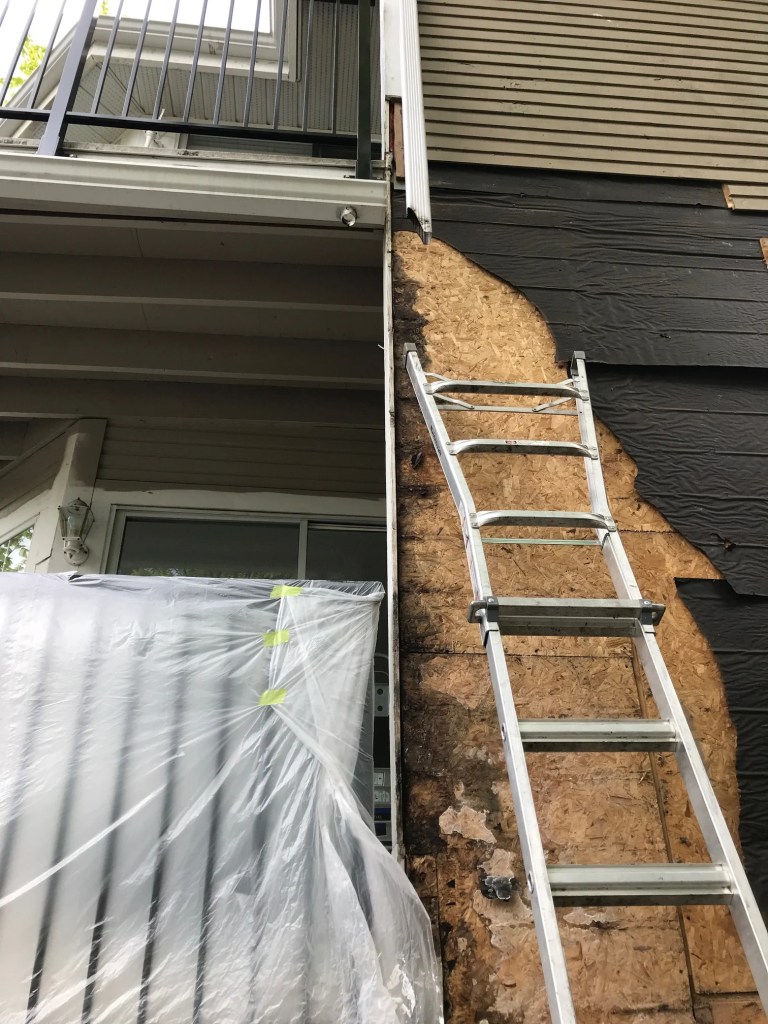
Water continuously went through the corner affecting the siding and the membrane that failed
3. At the Bottom of Walls and Near the Foundation
Siding that is too close to the ground or buried in soil (as discussed in our previous post) absorbs moisture, leading to long-term deterioration. This is a common issue in many Vancouver homes, where damp conditions accelerate rot and mold growth.
4. Around Vents, Pipes, and Other Wall Penetrations
Any opening in your siding—such as for dryer vents, HVAC pipes, or electrical conduit—is a potential entry point for water. If these penetrations are not properly sealed, moisture can slowly accumulate inside the walls. This is particularly problematic in Vancouver, where high humidity and frequent rain create ideal conditions for mold and mildew.
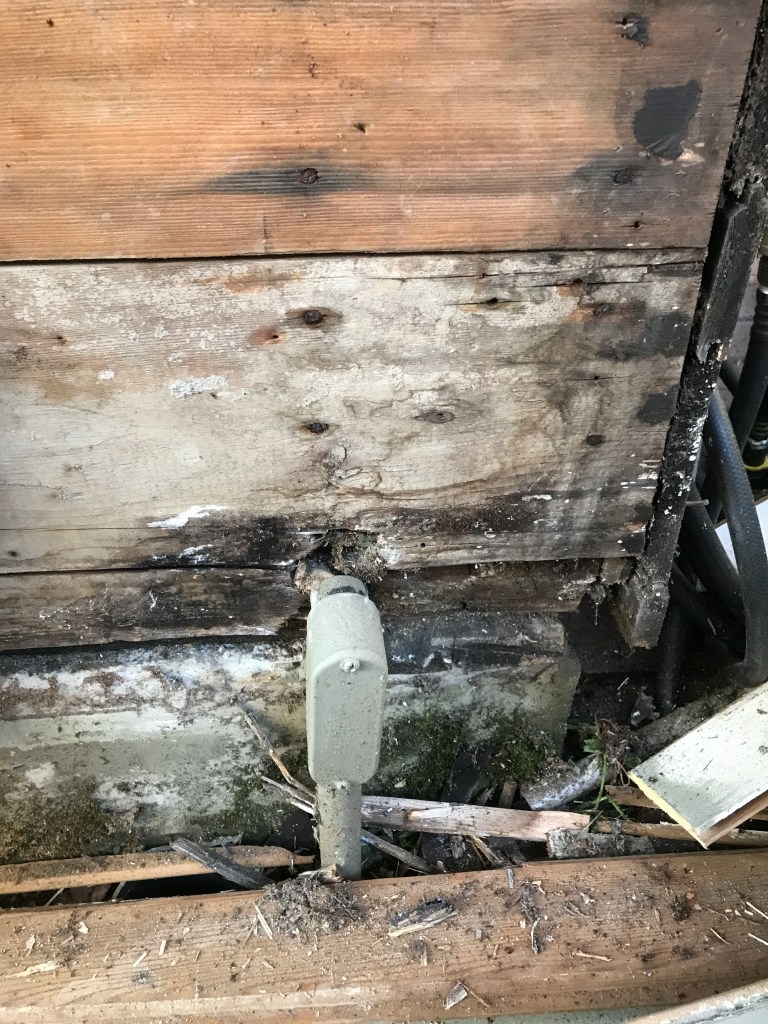
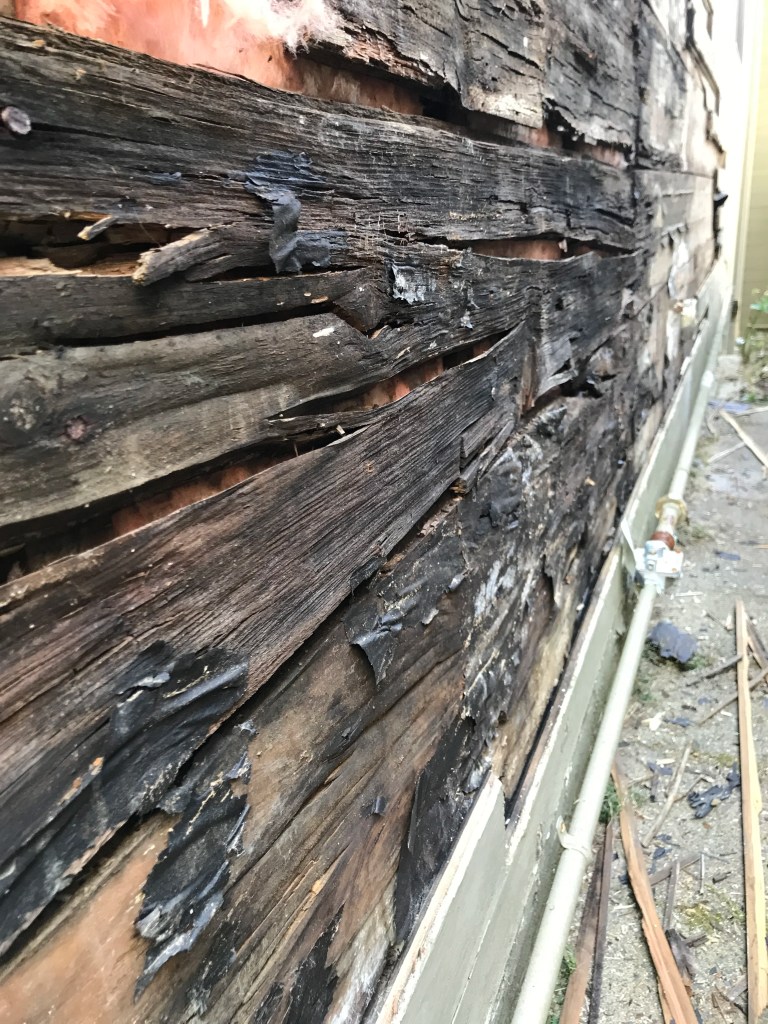
Completely deteriorated membrane and extremely rotten sheathing
5. Beneath Poorly Installed Wall Membrane or Damaged Flashing
Flashing plays a crucial role in directing water away from vulnerable areas. If it is missing, improperly overlapped, or damaged, water will find its way behind the siding. Problem areas include roof-to-wall intersections, chimneys, and deck connections. These issues are common in older homes where flashing was either incorrectly installed or has deteriorated over time.
A poorly installed wall membrane can make matters worse, allowing trapped moisture to cause long-term damage. We’ll cover this in more detail in a future post.
What Happens When These Issues Go Unnoticed?
Hidden damage behind siding doesn’t just stay out of sight—it worsens over time, leading to:
✅ Mold and Mildew Growth → Poor air quality, potential health risks, and costly remediation.
✅ Structural Weakening → Rotting sheathing and framing that compromise your home’s integrity.
✅ Pest Infestation → Moisture-damaged wood attracts termites, carpenter ants, and rodents.
✅ Energy Loss → Water-damaged insulation loses its effectiveness, increasing heating and cooling costs.
Many homeowners in the Vancouver area only discover these problems when it’s too late. By the time visible signs appear, significant damage has already occurred.
How to Prevent These Issues
The good news? Proper installation and maintenance can prevent these costly problems. Here’s how:
- Choose a contractor who carefully inspects the walls before new siding is installed. A thorough assessment can identify hidden damage before it becomes a major issue.
- Ensure proper flashing and sealing around all penetrations. Professional installation of flashing around windows, doors, and vents is essential for waterproofing.
- Maintain functional gutters and downspouts. Regularly clean your gutters and ensure downspouts direct water away from your home’s foundation.
- Never allow siding to touch the ground. Maintain at least a 6-inch clearance to prevent moisture absorption.
- Use a properly installed weather barrier. This critical layer, which we’ll discuss in the next blog post, helps protect your home from moisture infiltration.
Choosing the Right Contractor in Vancouver
With the high rainfall and fluctuating temperatures in Vancouver, choosing an experienced siding contractor is crucial. The right contractor will:
🔹 Perform a full inspection before siding replacement to catch potential issues early.
🔹 Follow proper installation guidelines, ensuring all flashing, sealants, and weather barriers are correctly applied.
🔹 Recommend long-term solutions that protect your home from moisture damage, rather than just covering up problems.
At Tonic Siding, we specialize in identifying and preventing hidden siding issues before they become costly repairs. Our team serves Vancouver, North Vancouver, Burnaby, Coquitlam and surrounding areas, ensuring homes are protected against the region’s unique climate challenges.
Conclusion
Removing old siding often reveals hidden damage—particularly around windows, doors, downspouts, and wall penetrations. Without proper flashing and waterproofing, moisture can infiltrate your home, leading to rot, mold, and costly repairs.
By working with a qualified siding contractor in Vancouver, homeowners can prevent these issues before they start. If you’re planning a siding replacement or have concerns about your home’s exterior, contact us today for an inspection.
🔎 Suspect hidden damage behind your siding? Don’t wait until it’s too late—reach out to Tonic Siding today!
 Professional Siding Contractor Vancouver - Tonic Siding
One thought on “What Lies Beneath? Uncovering Hidden Damage During Siding Removal”