
To renovate the exterior of an existing building, updating or replacing the siding is necessary. When planning for such renovation, several factors should be taken into account such as assessing the current siding, selecting the appropriate material, considering the style and design, ensuring proper installation, and comprehending maintenance requirements. An accomplished siding renovation project will enhance the building’s appearance and value, boost its energy efficiency, and extend protection against harsh weather conditions.
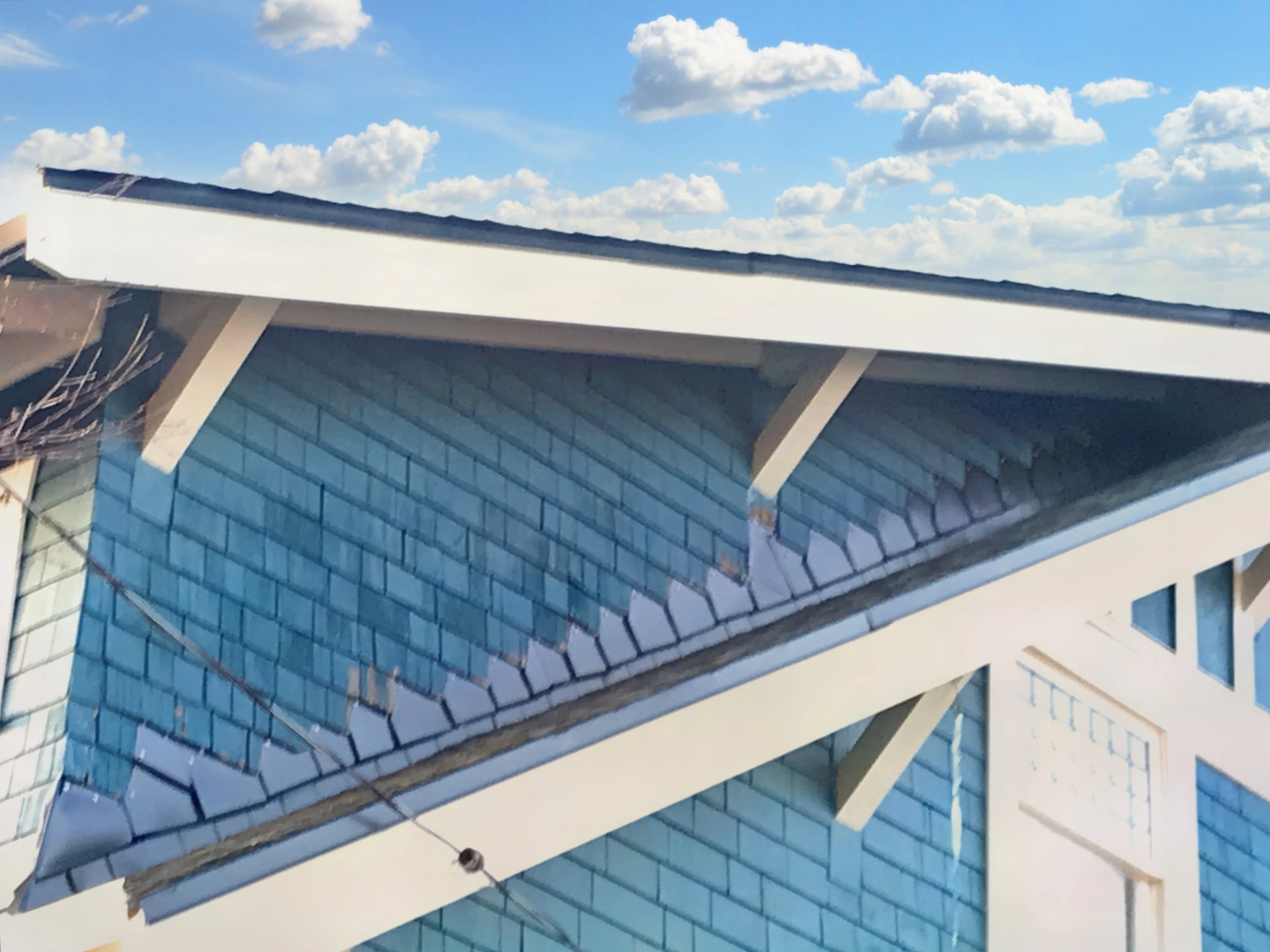
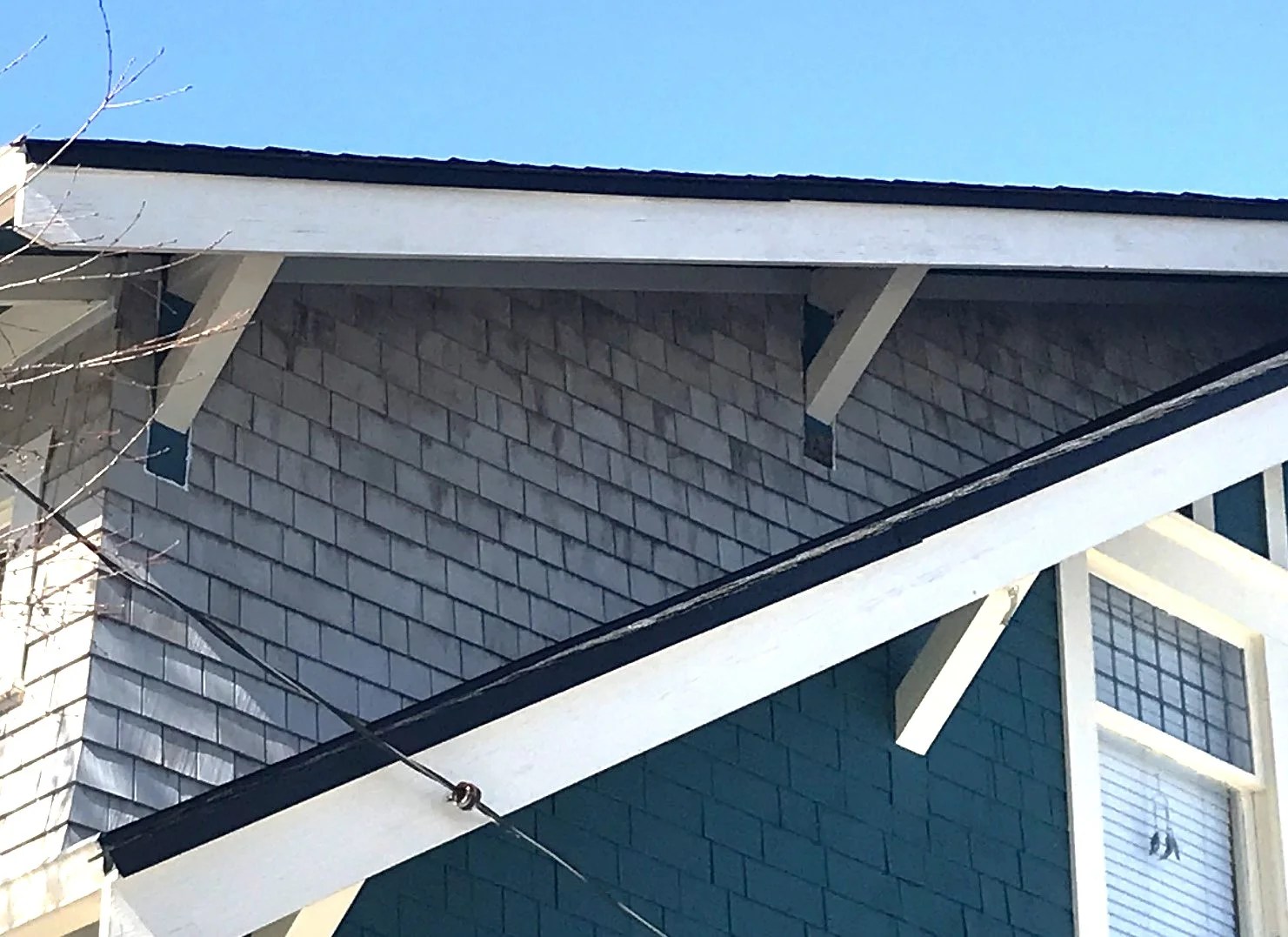
Key considerations when planning a siding renovation:
- Assessment of the existing siding: Before embarking on a siding renovation project, it’s important to assess the condition of the existing siding. This includes evaluating the material, condition, and age of the siding to determine if it needs to be repaired or replaced.
- Structural integrity: Before installing new siding on a renovation project, it is important to evaluate the structural integrity of the existing building. Any underlying issues, such as water damage or rot, should be addressed before the new siding is installed. Additionally, the new siding should be properly installed to ensure that it does not compromise the structural integrity of the building.
- Selection of new siding material: The selection of the new siding material is a critical aspect of any siding renovation project. Factors to consider when selecting a material include durability, maintenance requirements, energy efficiency, and cost. Popular siding materials for renovations include vinyl, fiber cement, wood, and metal.
- Maintenance considerations: Different siding materials have different maintenance requirements, and it’s important to consider these requirements when selecting a material. For example, wood siding may require periodic staining or painting, while vinyl siding may require periodic cleaning. Understanding the maintenance requirements of the new siding material can help ensure that the siding remains in good condition over time.
- Style and design considerations: The style and design of the new siding should be carefully considered to ensure that it complements the existing architecture of the building. Elements such as color, texture, and style should be taken into account to create a cohesive and aesthetically pleasing look.
- Proper installation: Proper installation of the new siding is critical for ensuring that it provides effective protection from the elements. This includes ensuring that the siding is properly anchored to the building, that any necessary insulation is installed, and that the siding is properly sealed to prevent water infiltration.
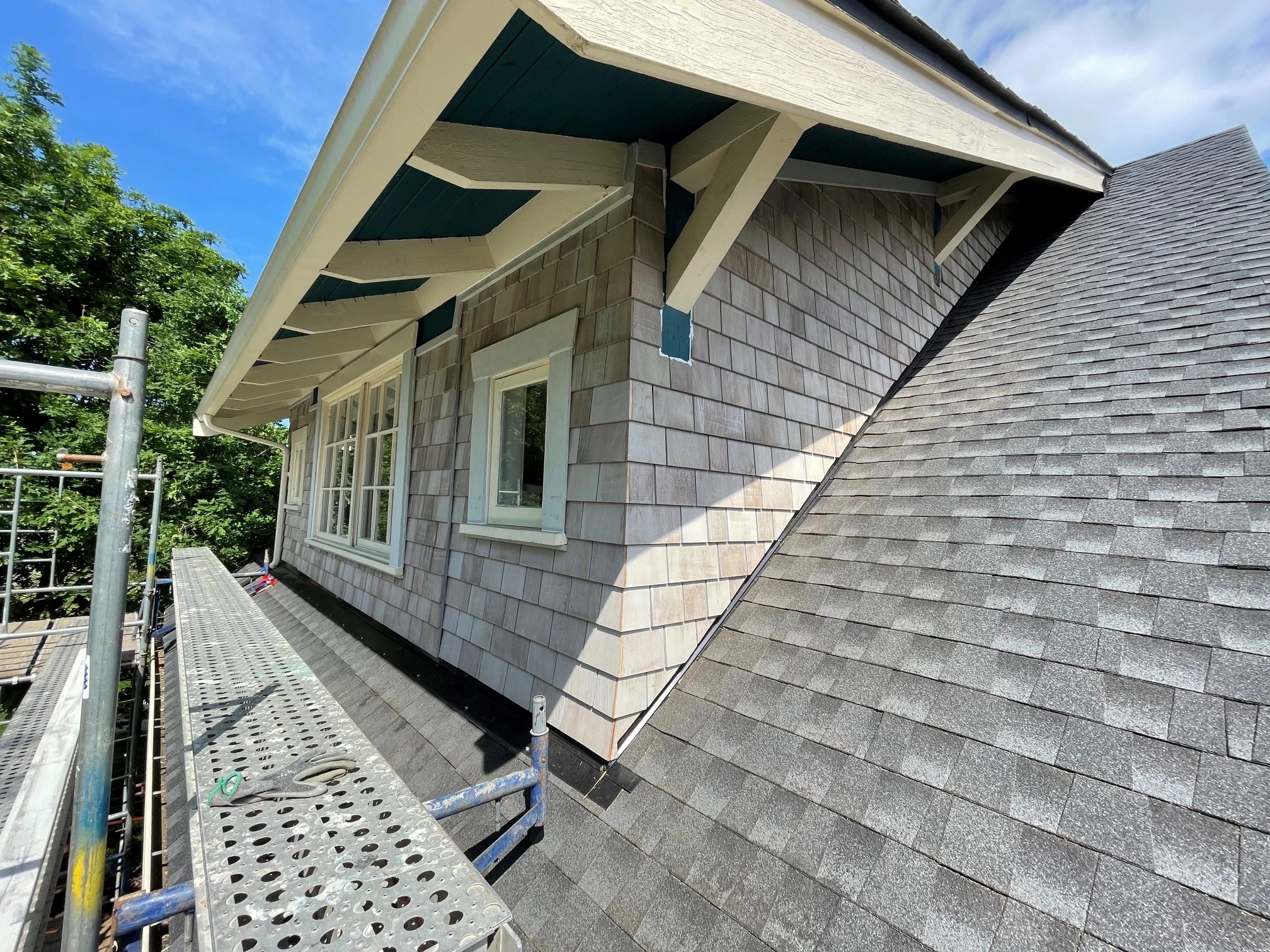
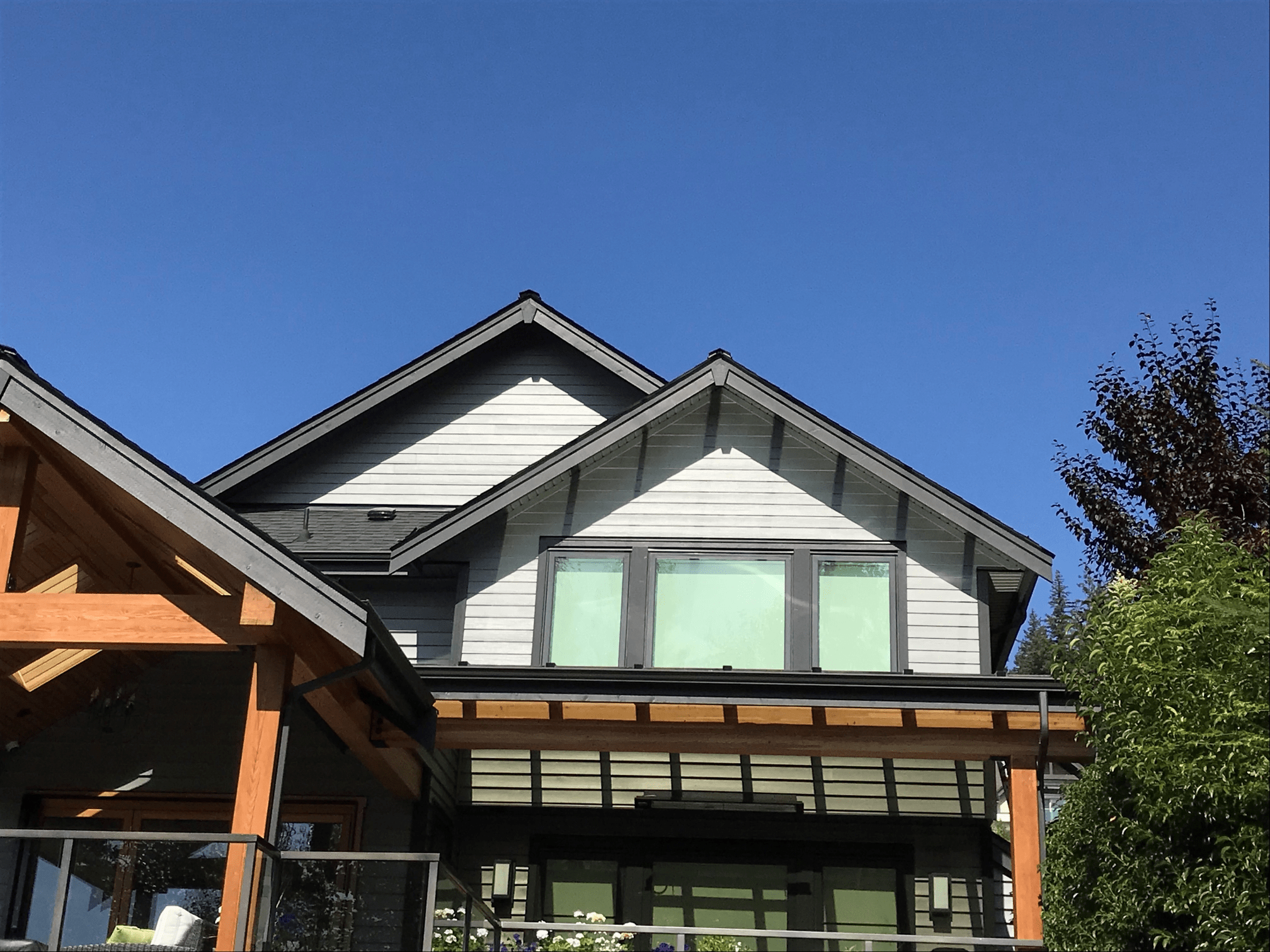
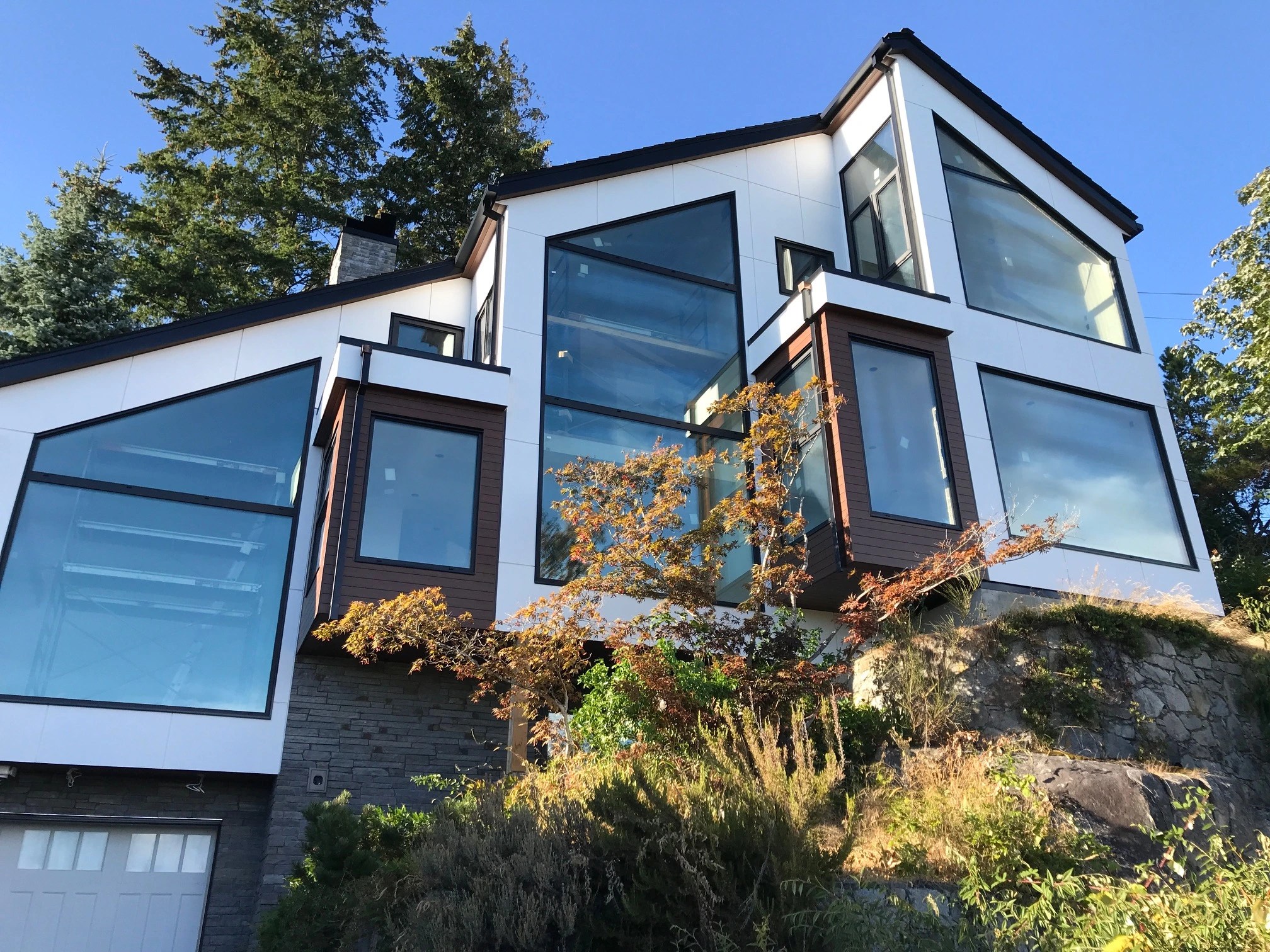
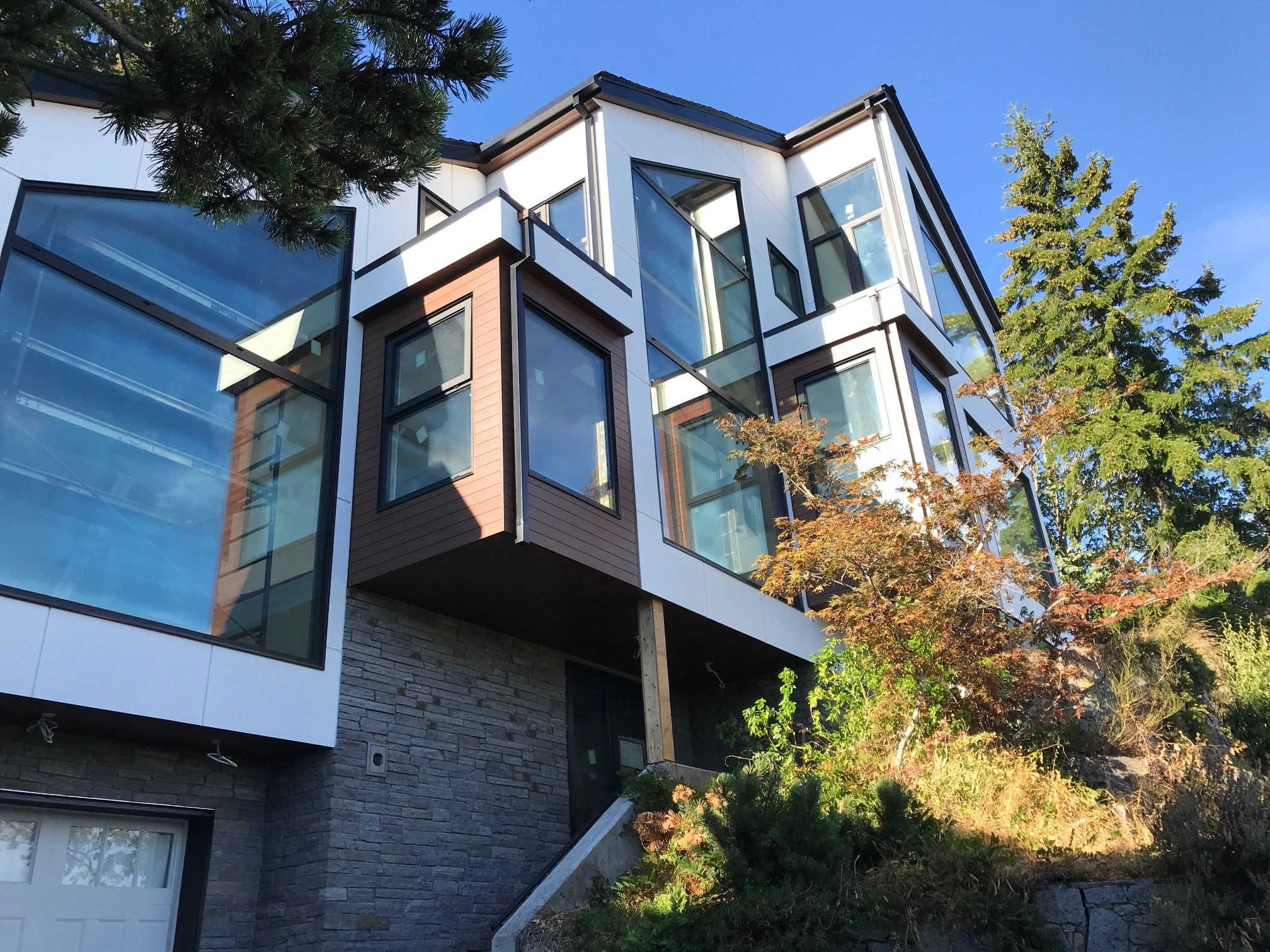
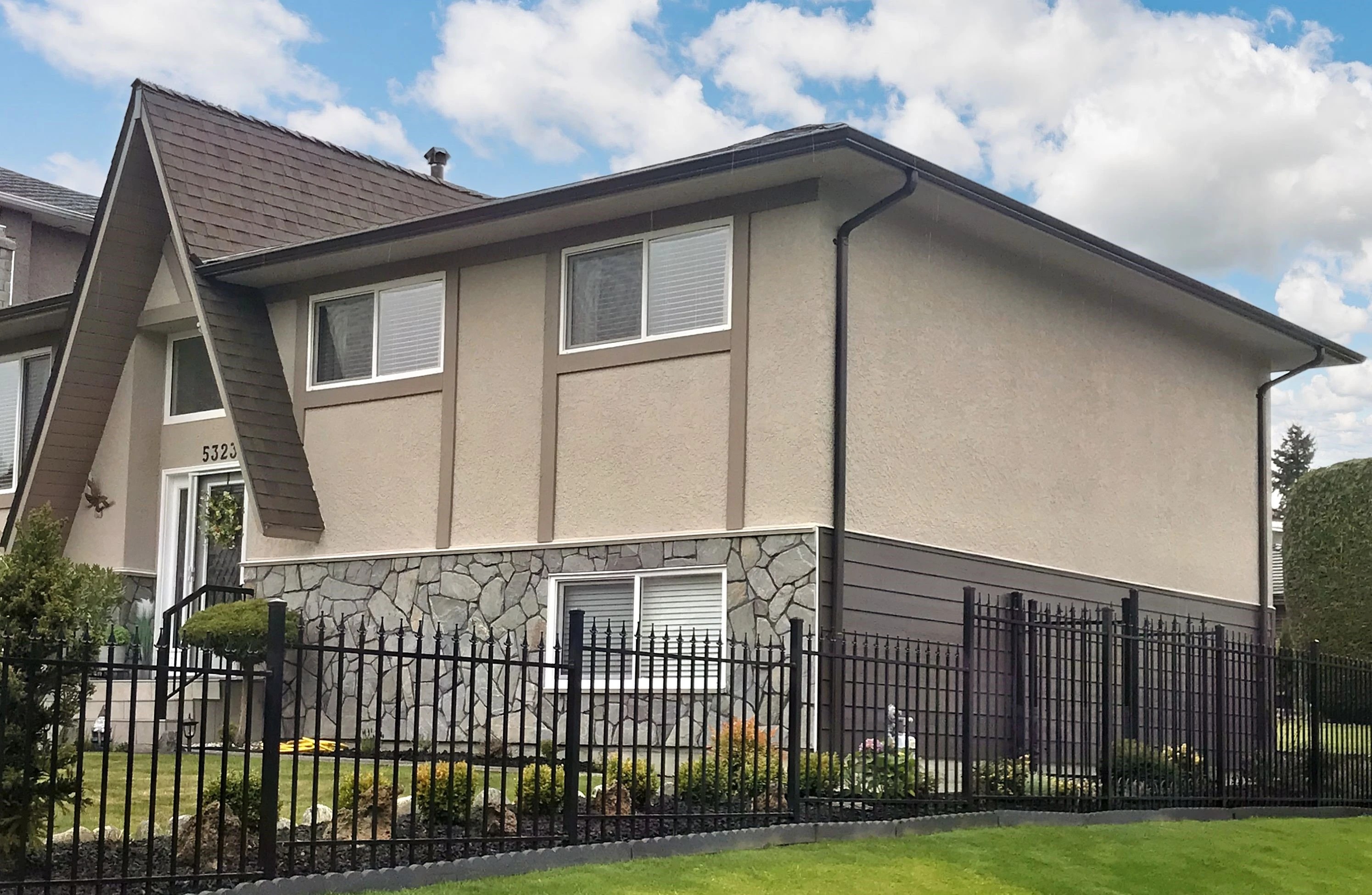
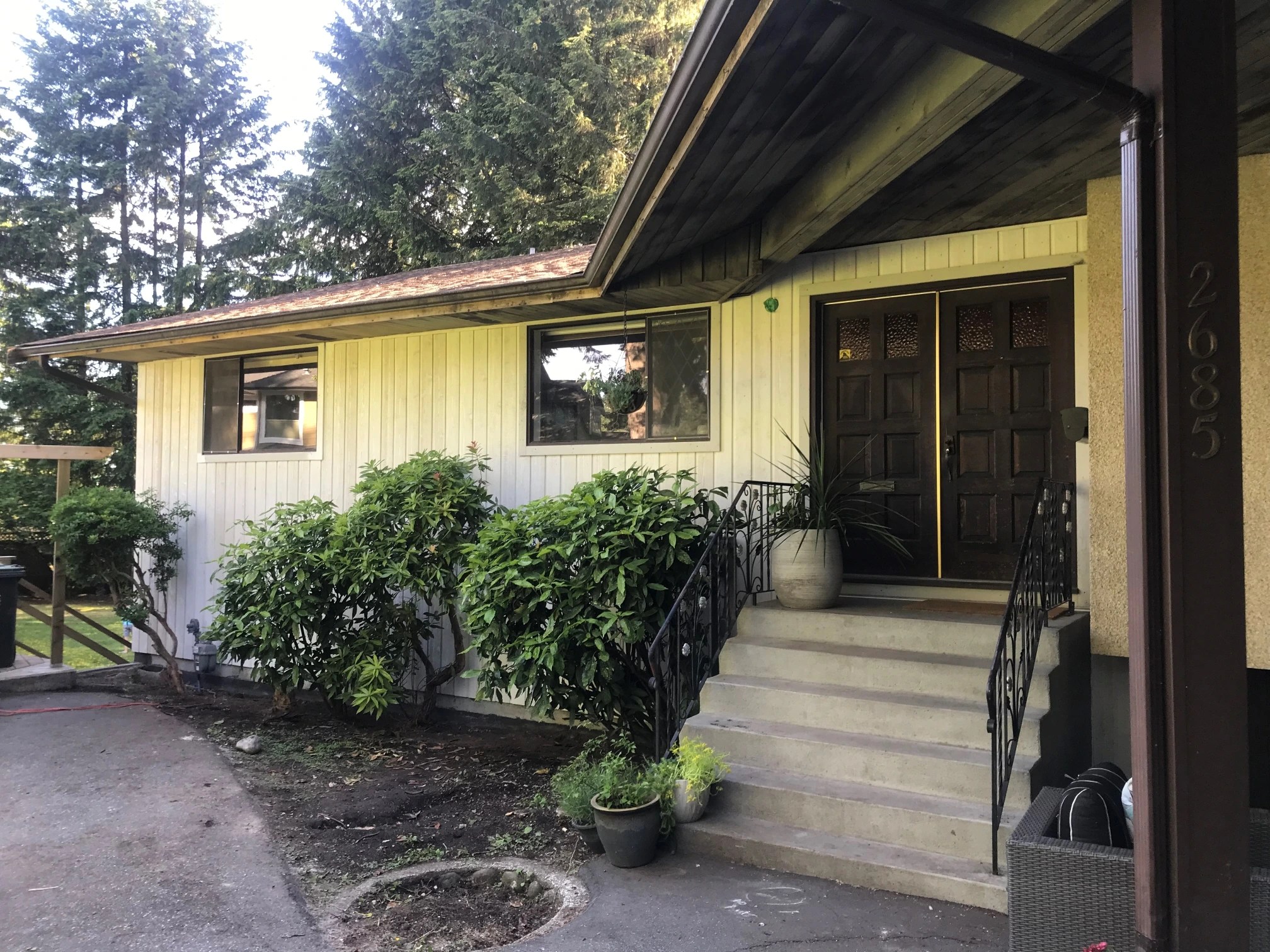
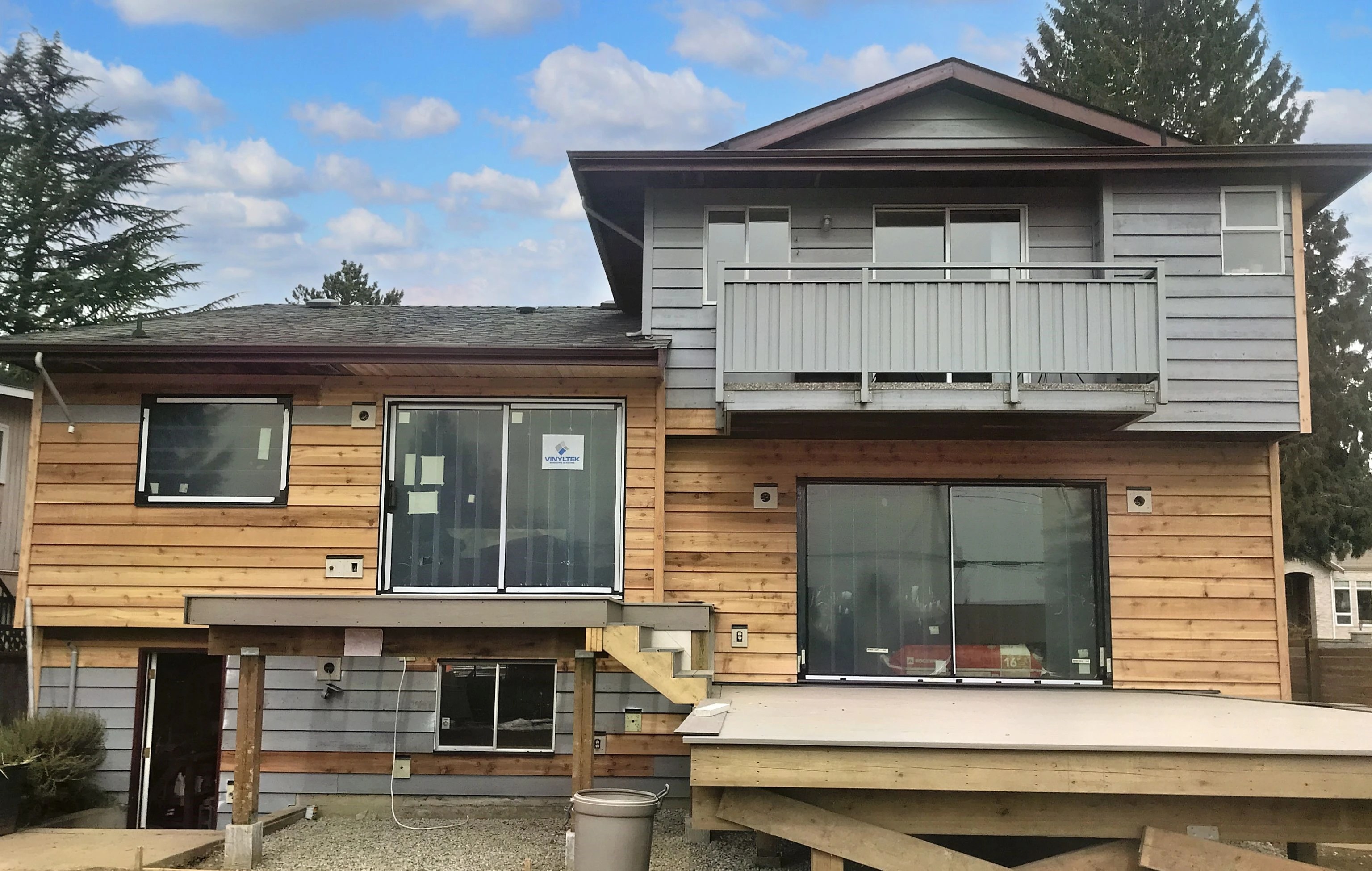
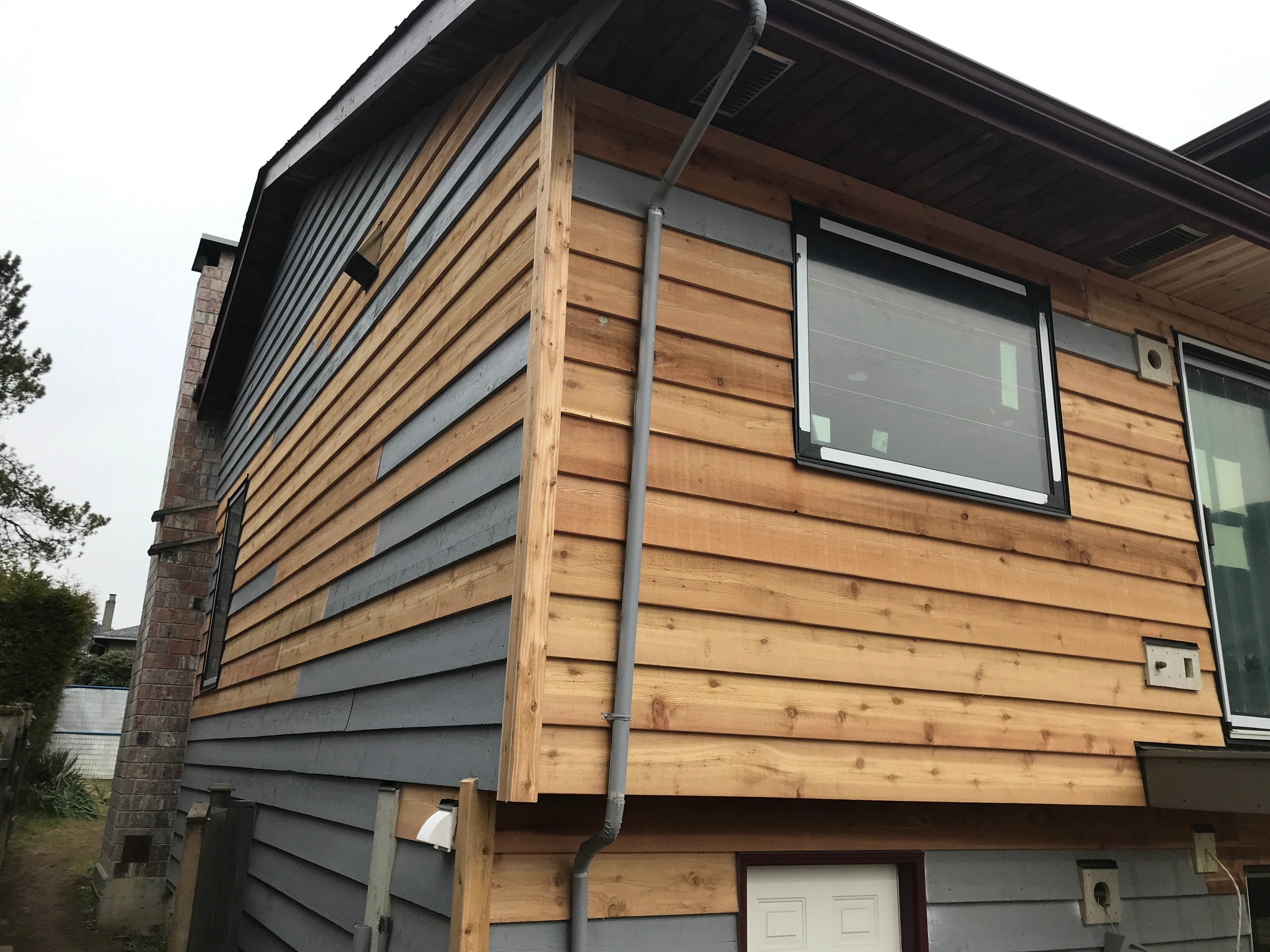
 Professional Siding Contractor Vancouver - Tonic Siding