Siding installation is the process of installing exterior cladding onto the walls of a building. The purpose of siding is to protect the building from the elements, while also providing an attractive appearance. Siding comes in a variety of materials, including Wood, Fiber cement, Premium Aluminum and Premium Vinyl, Metal, and standard Aluminum and Vinyl. It’s also important to consider design, structural integrity, energy efficiency, and especially maintenance requirements.
Wood Siding
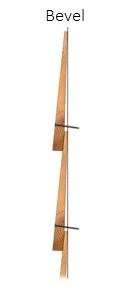
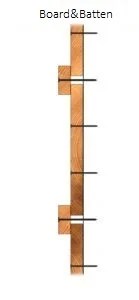
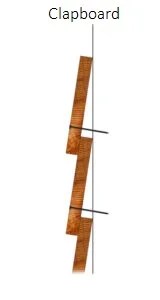
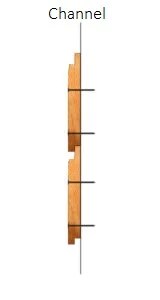
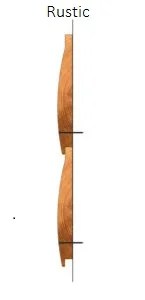
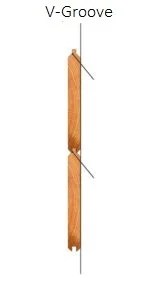
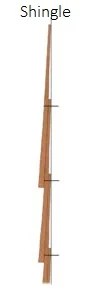
There are several types of wood siding commonly used in construction and architecture, including Cedar, Pine, Redwood, Hemlock, Mahogany, and Douglas Fir. Also, wood siding comes in a variety of shapes to suit different architectural styles and design preferences. The choice of wood material will depend on factors such as budget, durability requirements, and aesthetic preferences. Mainly used shapes around Vancouver are Bevel, Board&Batten, Clapboard, Channel, Rustic, V-Groove, and Shingle. Talk to us about your ideas and we will work on your dream.
Fiber Cement Siding
Fiber cement siding is a type of siding made from a blend of cement, sand, and cellulose fibers. The commonly used term for fiber cement is Hardie. It is a popular choice among homeowners and builders due to its durability, low maintenance, and versatility in design. Fiber cement siding is available in a range of styles, textures, and colors that can mimic the look of natural wood or stucco.
One of the benefits of fiber cement siding is its resistance to fire, moisture, and insects. It is also less susceptible to rotting, warping, and cracking compared to traditional wood siding. This makes it an ideal choice for homes in areas with extreme weather conditions like Vancouver.
Fiber cement siding is typically installed with nails or screws and can be applied over a variety of surfaces, including wood sheathing, masonry, or foam insulation. It can also be installed in a variety of ways, including horizontal, vertical, or shingle patterns.
Fiber cement siding requires little maintenance, but occasional cleaning may be necessary to remove dirt and debris. Some manufacturers offer a warranty of up to 50 years, making it a long-lasting investment for homeowners.
While fiber cement siding is more expensive than traditional vinyl or aluminum siding, its durability and low maintenance make it a popular choice for those looking for a long-lasting and versatile siding option.
Well-known fiber-cement material used all around Vancouver is from James Hardie® and Allura. There are other options for high-end fiber cement such as Nichiha planks and panels.
Woodtone’s fiber cement coating is a great alternative for siding solutions as it provides the benefits of fiber cement while maintaining the authentic look of real wood. They offer several variations to choose from.
Fiber cement siding comes in a variety of shapes, sizes, and textures.
Fiber cement trims, aluminum trims like Easy Trims or Light Trims, and custom-shaped metal trims offer numerous options for achieving the desired final appearance. Some of the most common shapes used for fiber cement siding include:
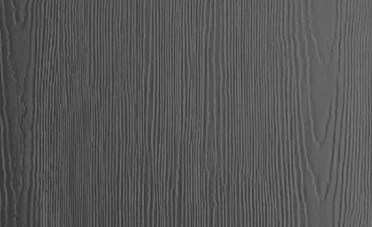
- Plank: Plank siding is a classic style that mimics the look of traditional wood siding. It is available in various widths and in Cedarmill® (wood texture) or Smooth surface, making it a versatile option for any home style.
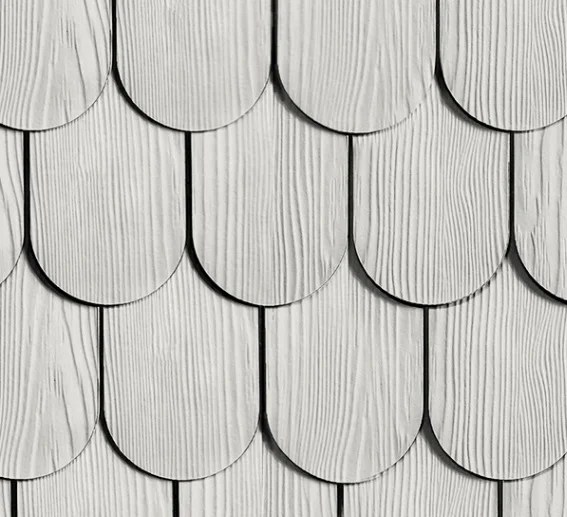
- Shingle: Shingle siding, also known as shake siding, has a rough, textured appearance that resembles hand-split wood. It is available in Straight or Staggered edge and Half-round variations.
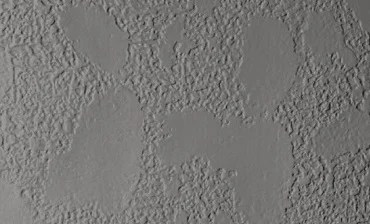
- Panel: Panel siding is a larger format option that covers more surface area with fewer seams. It is available in these textures, Cedarmill® (wood texture), Smooth, Stucco, and Sierra 8. and can be installed vertically or horizontally.




Premium Aluminum Siding
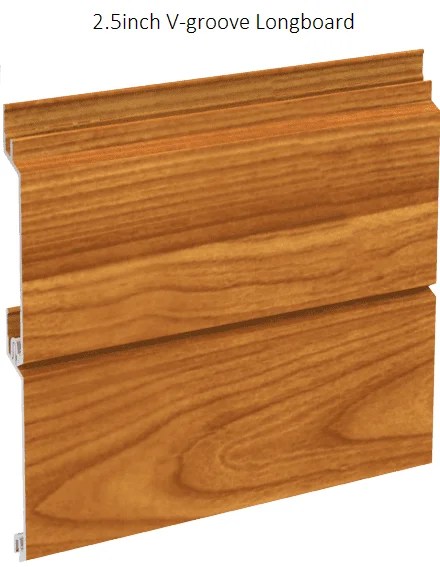
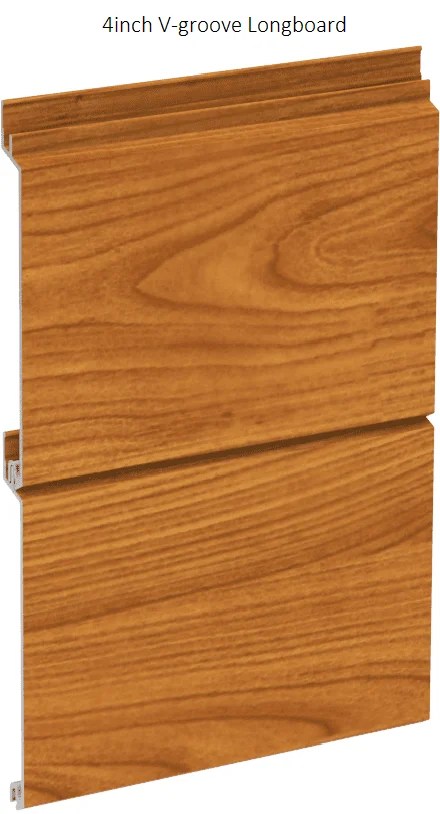
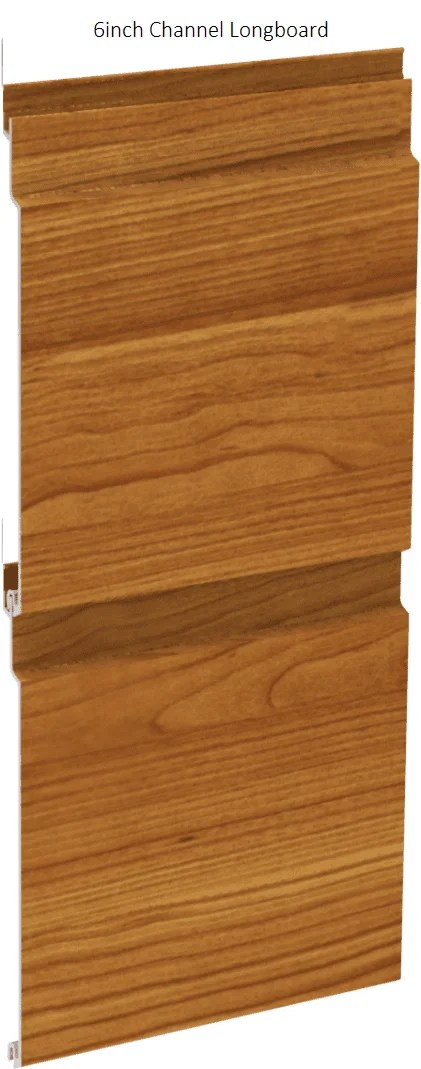
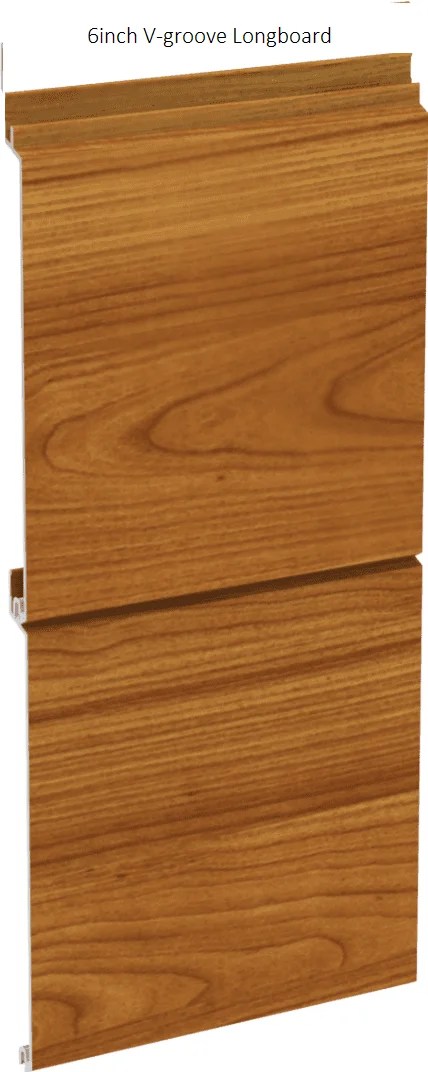
Longboard® siding is an innovative cladding system made of aluminum and designed to resemble natural wood. It offers a sleek, modern look and is highly customizable to fit the design needs of any project. Longboard® siding comes in various widths, finishes, and colors to suit a range of architectural styles.
One of the benefits of Longboard® siding is its durability. The aluminum material is resistant to warping, cracking, and rotting, and it can withstand harsh weather conditions, including extreme heat and cold. It is also fire-resistant, making it a safe option for homes and commercial buildings.
Installation of Longboard® siding is relatively easy if the steps prior to siding installation are carefully followed and the wall is perfectly shimmed. Siding can be installed horizontally or vertically. The system consists of interlocking panels, which make for a seamless finish with no visible fasteners. This creates a clean, streamlined look that enhances the overall aesthetic of the building.
Longboard® siding is also low maintenance. It does not require painting or staining, and it can be cleaned with soap and water. This makes it an ideal choice for homeowners and business owners who want a beautiful, long-lasting exterior without the hassle of frequent maintenance.
Overall, Longboard® siding offers a high-quality, versatile, and low-maintenance option for those seeking a modern and sleek look for their building’s exterior.
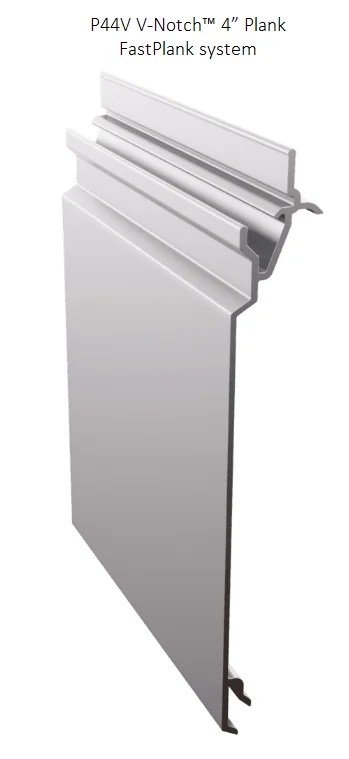
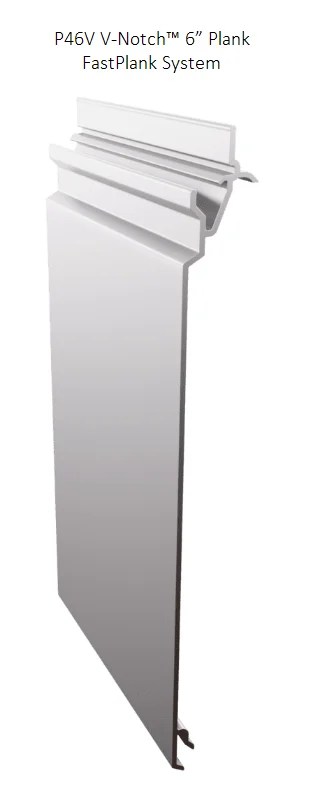
The most commonly used option is a plank that comes in V-Groove or Channel shapes.
Another brand that offers a similar product is the FastPlank system.
Premium Vinyl Siding
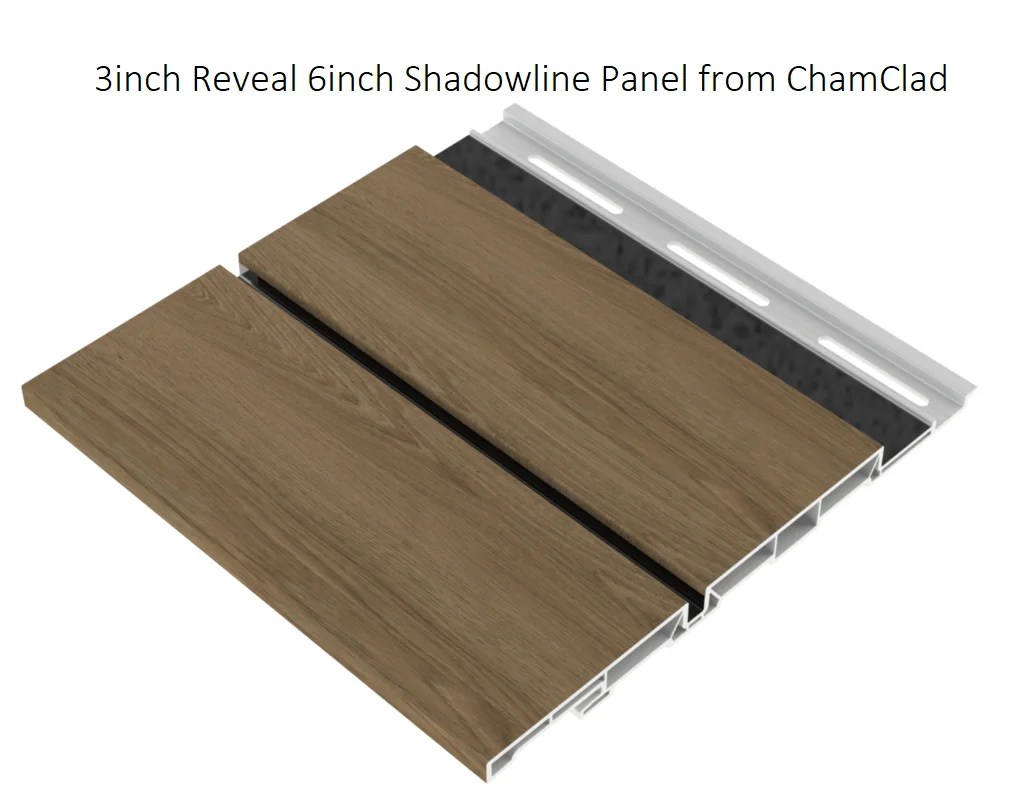
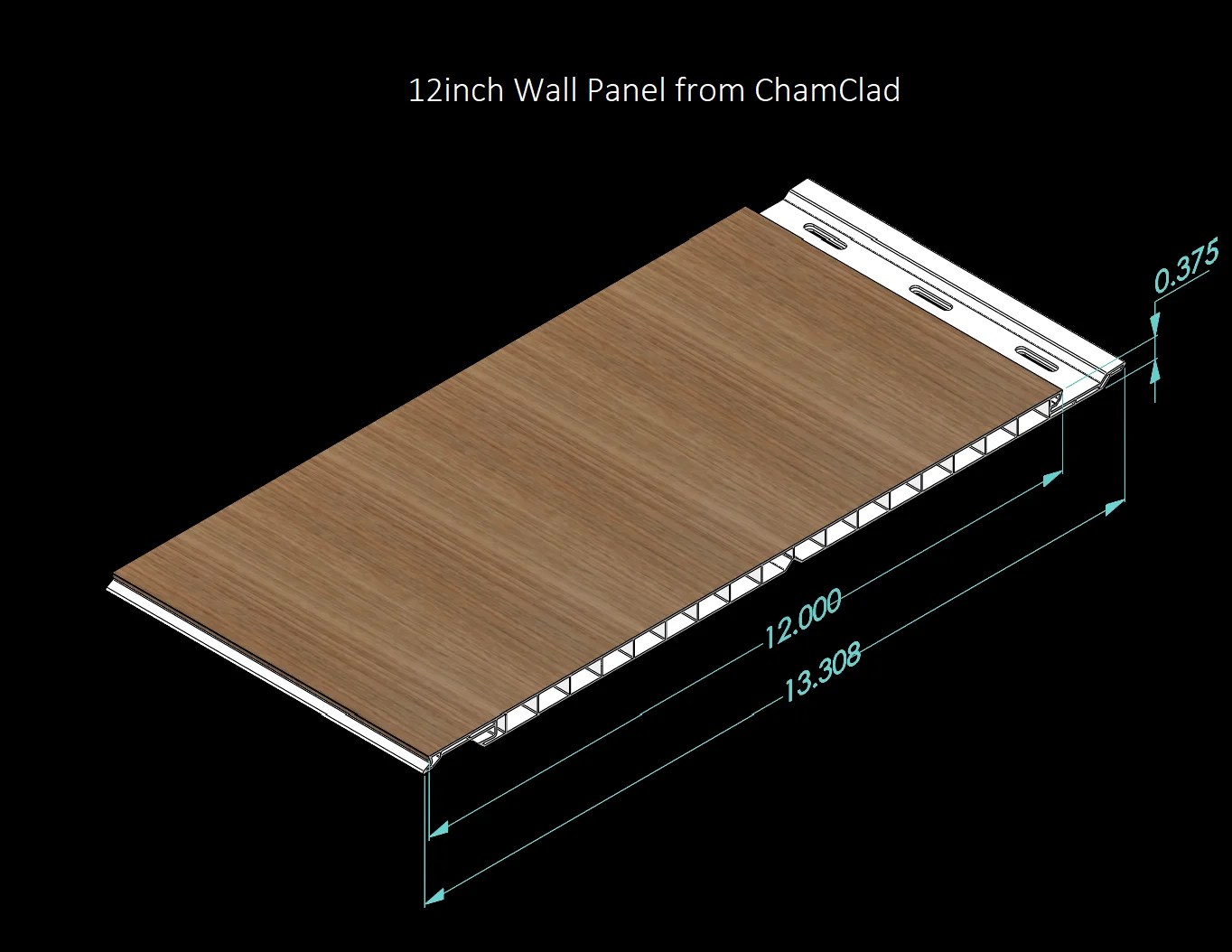
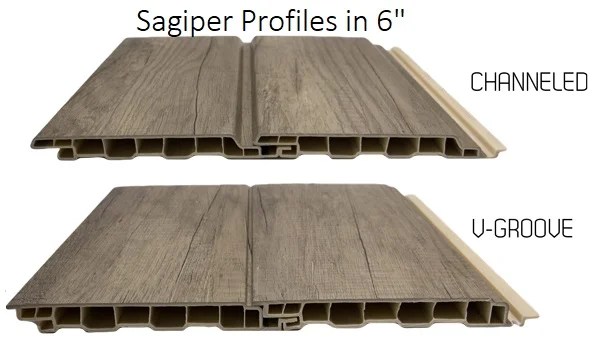
Premium vinyl sidings, such as Chamclad or Sagiper, offer high-quality and durable options for homeowners. These vinyl siding products often have a thicker and more rigid construction compared to traditional vinyl siding, making them more resistant to impact and weathering. Additionally, many premium vinyl siding products are designed with features to increase energy efficiencies, such as insulation or reflective coatings. Overall, premium vinyl siding offers a long-lasting and low-maintenance solution for enhancing the appearance and energy efficiency of a home.
One of the key features of premium vinyl siding is its ability to withstand harsh weather conditions, including extreme temperatures, wind, rain, and snow. It is also resistant to fading, cracking, and peeling, making it a low-maintenance option for homeowners.

Metal Siding
Metal siding offers a sleek and modern look and can be a durable and low-maintenance option for buildings. It is important to consider the specific requirements of each project when selecting a metal siding system, including the desired appearance, durability, weather resistance, and maintenance needs. Metal siding offers almost unlimited color options including woodgrain colors that substitute the real wood look.
The most commonly used profiles in Vancouver are the V-Groove profile, available in 4″ or 6″, although some brands provide systems that go up to 12″. In residential construction, corrugated metal is another popular option.
Around Vancouver, the most used brands are LUX Architectural, MAC Metal Architectural, WestForm, Vicwest, and the locally produced KBS Panelling system from Klassen Building Supplies.
Aluminum Siding
Aluminum siding is a type of siding material made from aluminum coils, typically used for residential and commercial buildings. It is lightweight, durable, and corrosion-resistant, making it an attractive option for many homeowners and building owners. It is available in a wide range of colors and styles, including smooth, textured, and woodgrain finishes.
Aluminum siding is easy to install and requires little maintenance, as it does not need to be painted or treated like wood siding. It can be washed with soap and water to keep it looking new. In addition, aluminum siding is fire-resistant and can help reduce energy costs by insulating the building.
However, there are some downsides to aluminum siding. It is more expensive than vinyl siding, and it can dent easily. It also tends to fade over time, especially when exposed to direct sunlight. Despite these drawbacks, aluminum siding remains a popular choice for those seeking a durable and low-maintenance siding option.
Vinyl Siding
Vinyl siding is a popular and durable exterior cladding option for homes and commercial buildings. It is made of polyvinyl chloride (PVC) resin and other additives that provide flexibility, durability, and resistance to weathering and fading.
One of the main advantages of vinyl siding is its low maintenance requirements. It doesn’t need to be painted, stained, or sealed, and can be easily cleaned with soap and water. It is also available in a wide range of colors and styles, including horizontal and vertical panels, shakes, scallops, and more.
Vinyl siding is relatively easy to install, which can help reduce the cost of installation. It can be installed directly over existing siding or on new construction. However, proper installation is important to ensure that it is securely attached and able to withstand high winds and other weather conditions.
Another advantage of vinyl siding is its energy efficiency. It can help reduce heating and cooling costs by providing a layer of insulation to the building’s exterior. Some manufacturers offer insulated vinyl siding options that provide even greater energy savings.
Overall, vinyl siding is a versatile and cost-effective option for homeowners and builders looking for an attractive, budget-friendly, and low-maintenance exterior cladding solution.
 Professional Siding Contractor Vancouver - Tonic Siding